
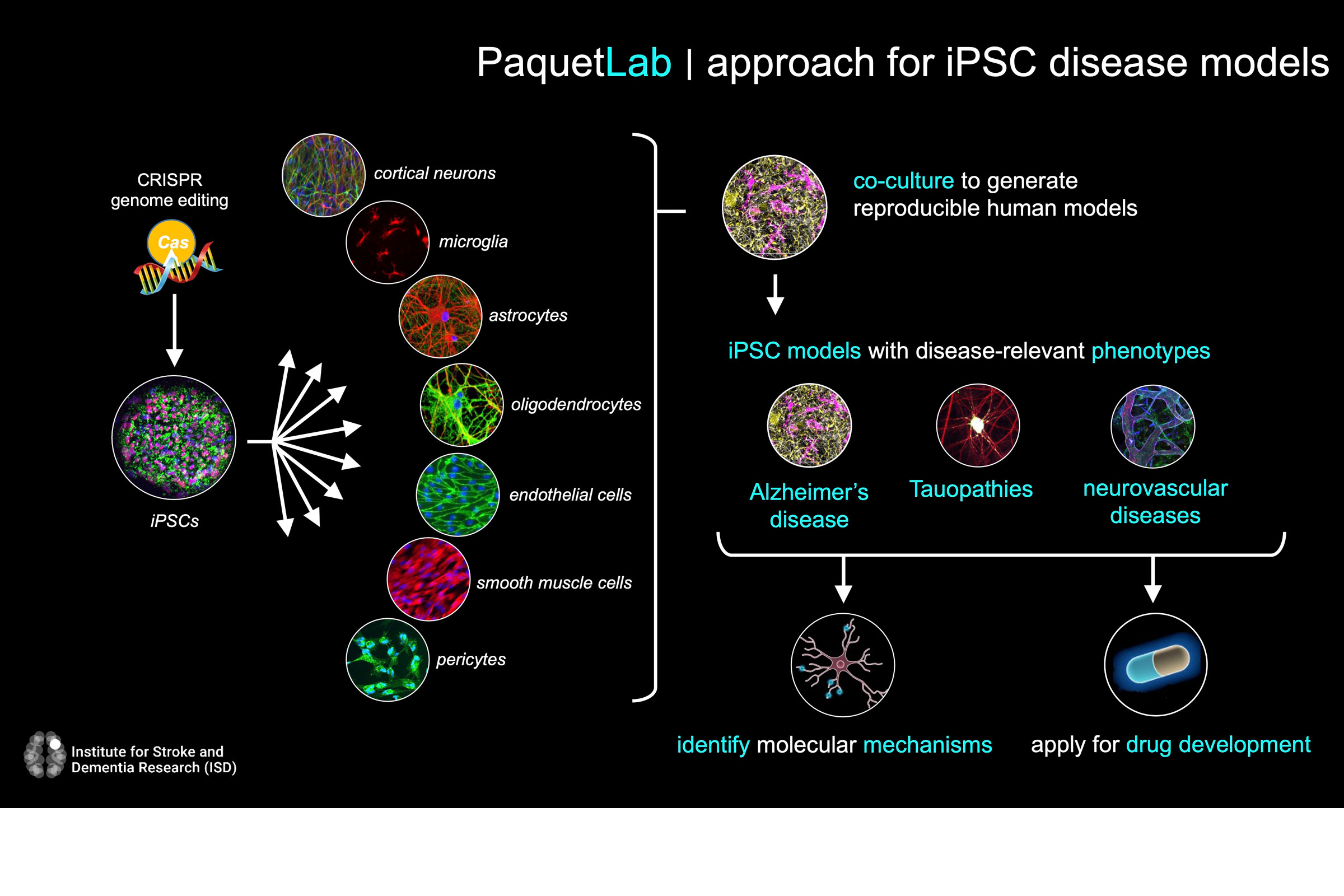
The PaquetLab develops and applies human brain tissue models to study the mechanisms of major brain diseases and to support the development of new therapeutic strategies. To build and characterize these models, we combine induced pluripotent stem cell (iPSC) differentiation, CRISPR/Cas genome editing, brain tissue engineering, multi-omics approaches including scRNA-seq, and advanced imaging and molecular methods. Using these complementary tools, we aim to create robust human model systems that reveal the molecular and cellular pathways leading to neuronal injury, cell death, and cognitive decline in neurodegenerative diseases such as Alzheimer’s disease and other tauopathies, as well as in neurovascular disorders including stroke and small vessel disease.
Human brain cells are difficult to access for molecular research, so neurodegenerative diseases have mostly been studied in animal models and simple cellular systems. These models have expanded our knowledge, but their limitations hinder translational success. We address this gap by developing human disease models that combine CRISPR genome editing — which enables precise modification of genes across the human genome — with iPSC technology — which allows us to generate and study somatic brain cells in the laboratory that are directly affected by disease. The disease-relevant cell types we study include both neural (neurons, astrocytes, microglia, oligodendrocytes) and vascular cells (mural and endothelial cells). Our research projects focus on several areas:
Human brain vessel models to investigate blood-brain-barrier biology and mechanisms of neurovascular disease
The blood-brain barrier (BBB) is a critical protective system that controls which substances enter the brain. However, increasing evidence points to a major role of BBB dysfunction not only in neurovascular diseases such as stroke and small vessel disease, but also in a broad group of other brain diseases including Alzheimer’s. For decades, BBB research has relied on animal models and simple cell systems that do not accurately reflect human biology, limiting the success of translational drug development.
Our team has developed a fully human, 3D blood-brain barrier model derived entirely from induced pluripotent stem cells (iPSCs). The model combines endothelial cells, mural cells, and astrocytes that self-organize into perfusable, vessel-like structures in a gel matrix, faithfully replicating key BBB physiology—including the ability to be perfused with human blood. Using this system, we discovered – in collaboration with the DichgansLab at ISD - that deleting the small vessel disease risk gene FOXF2 in endothelial cells causes BBB dysfunction, characterized by compromised cell junctions and enhanced caveolae formation. Importantly, we demonstrated that this disease phenotype can be rescued using lipid-nanoparticle delivery of Foxf2 mRNA, showing the model’s potential for drug development. In another study published back-to-back, we further elucidated the mechanism by showing that Foxf2 maintains endothelial cell function through Tie2 signaling, revealing new therapeutic avenues for small vessel disease and stroke.
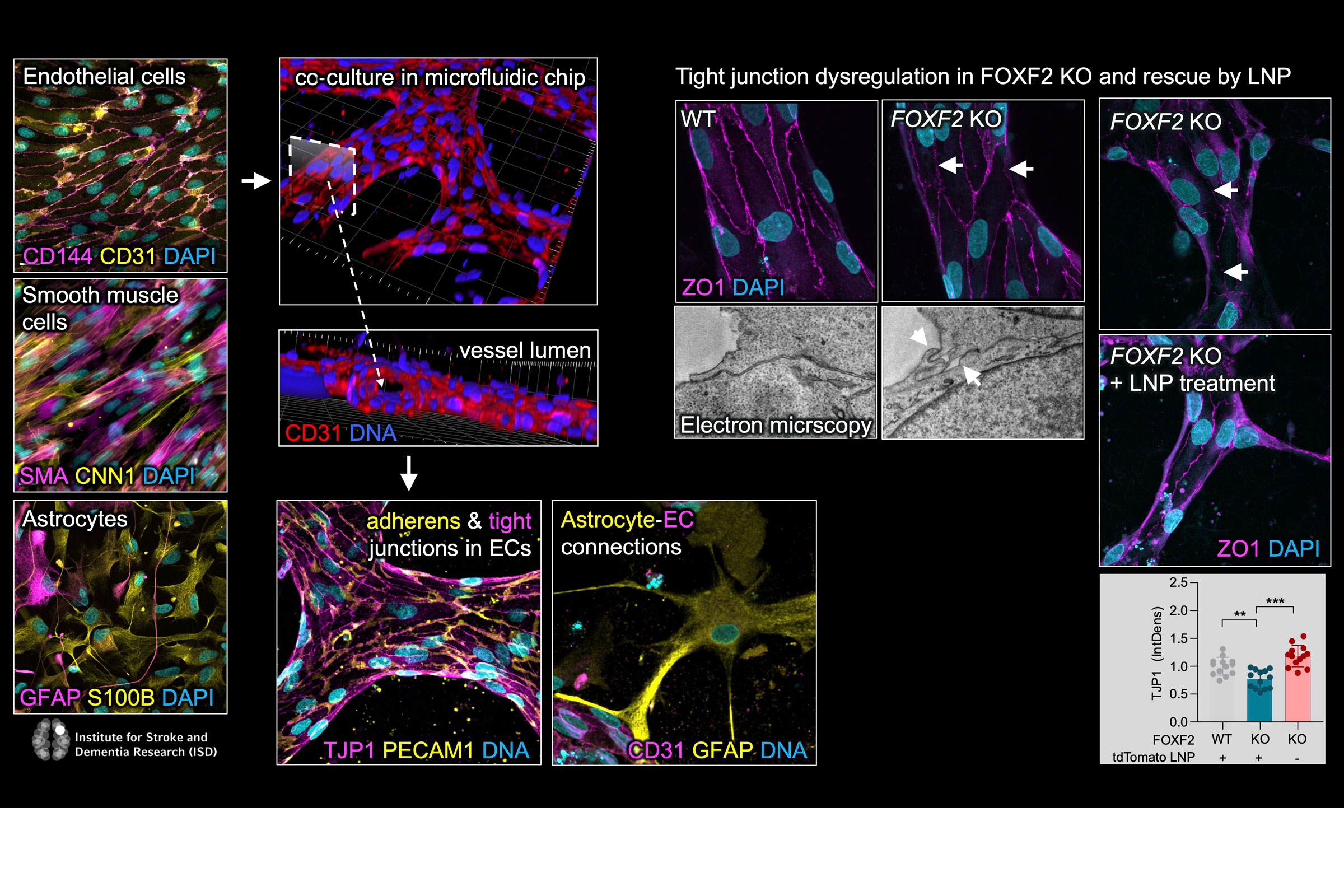
Current work in the lab focuses on further improving the BBB model and integrating more cell types to establish a fully vascularized human brain tissue model, applying it to study more genetic risk factors of brain disease, and investigate disease-relevant crosstalk between neuronal and vascular compartments.
Publications:
Press releases:
https://www.lmu.de/en/newsroom/news-overview/news/human-model-of-blood-brain-barrier-a3af2e3b.html
Human iPSC Model for Late-Stage Tauopathies
Tauopathies, including Alzheimer’s disease and frontotemporal dementia, are the most common neurodegenerative dementias and are characterized by pathological accumulation of the tau protein in the brain. Despite their prevalence, these diseases remain incurable, largely due to a lack of suitable human models for researching disease mechanisms. Previous approaches had major limitations: animal models inadequately reflect the complex processes in the human brain, while neurons derived from stem cells predominantly produce early forms of tau protein found in young brains, missing the adult isoforms that are critical for disease.
Our team has developed the first human cell model that realistically replicates the pathological processes of late-stage tauopathies. Using CRISPR/Cas9 genome editing, we engineered human iPSC-derived cortical neurons to endogenously express the adult-specific 4R tau isoform and carry disease-causing mutations. Unlike earlier models, these neurons independently develop hallmark disease features, including tau aggregates that resemble the tangle-like deposits found in patient brains, as well as signs of neuronal damage such as synaptic loss.
The model has already demonstrated concrete translational value: a compound currently being tested in a clinical trial significantly reduced tau pathology in our system, and we successfully validated an imaging biomarker (tau PET tracer) for diagnosing specific tauopathies. This work closes an important gap between animal experiments and human disease, providing a new platform for developing and testing urgently needed therapies against dementia.
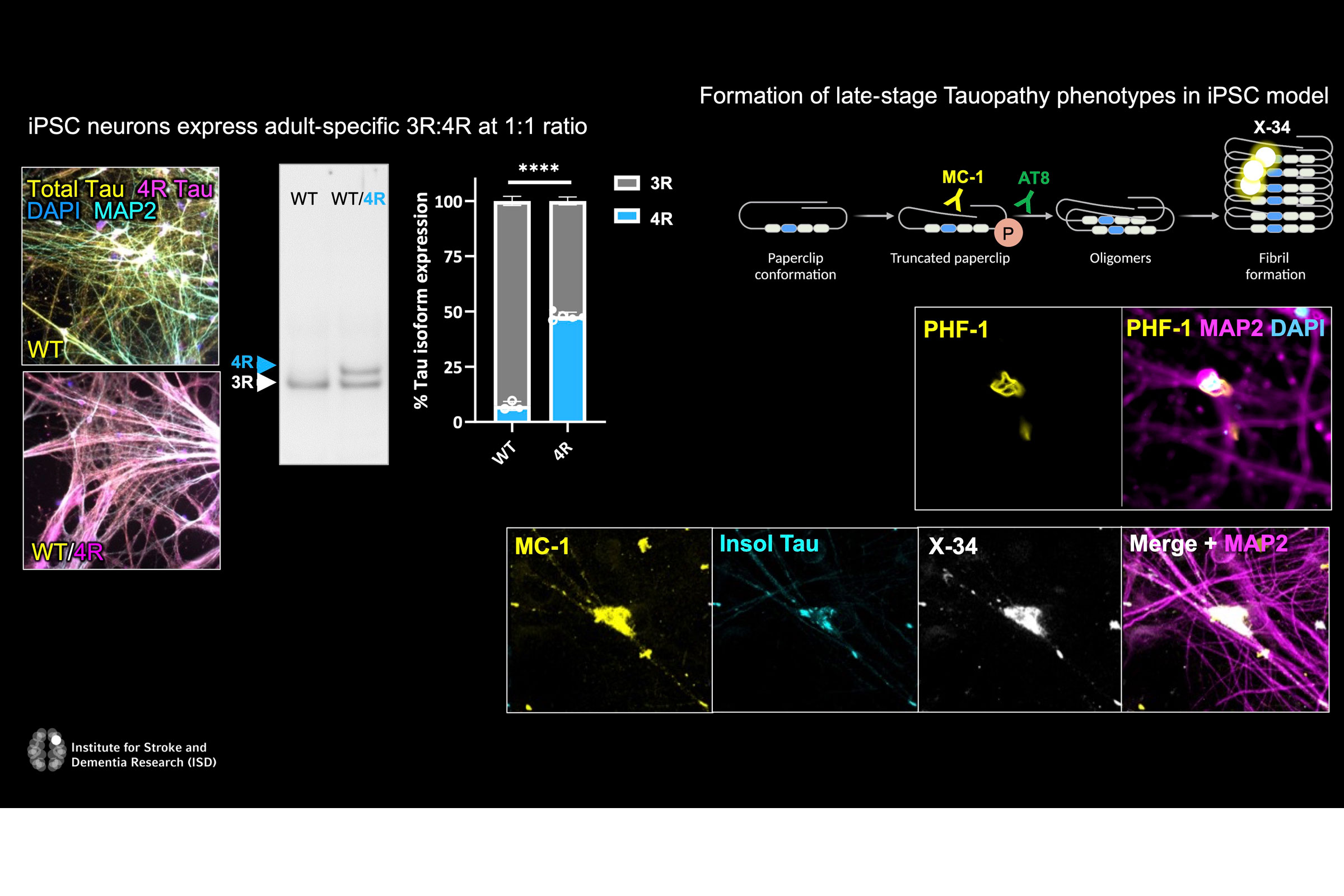
Current work in the lab focuses on optimizing the model for and integrating it into drug discovery pipelines by optimizing scalability and readouts. We are also highly interested in investigating crosstalk with glial compartments.
Publication:
Press release:
Reproducible 3D Human Brain Tissue Model for Neurodegeneration and Neuroinflammation
Studying human brain tissue in its native multicellular environment has long been a major challenge in neuroscience. Traditional 2D cell cultures lack the complexity of the brain’s 3D architecture, while existing 3D models often show low reproducibility, incomplete maturation of cell types, and limited viability over time. In particular, prolonged incorporation of mature microglia—the brain’s resident immune cells—and studies of neuroinflammation have proven challenging, creating a critical gap for understanding diseases involving immune responses such as Alzheimer’s disease.
Our team has developed a reproducible 3D cortical brain tissue model (3BTM) that integrates neurons, astrocytes, and microglia in a way that closely mimics the human brain environment for extended periods. The model shows high reproducibility, maturity, and viability, with all cell types achieving morphological, functional, and proteomic maturation that closely resemble their in vivo counterparts. A key breakthrough is that incorporated microglia survive for over 6 months while maintaining mature morphology, functions, and gene expression, enabling long-term studies of neuroinflammation and immune-brain interactions.
When engineered to model Alzheimer’s disease pathology, the 3BTM recapitulates key disease hallmarks including amyloid deposition, increased phospho-Tau levels, and neuroinflammation, with microglia shifting their transcriptional landscape to disease-relevant signatures. Importantly, treatment of AD 3BTMs with anti-Aβ immunotherapy cleared deposits and largely reversed disease signatures in glia, demonstrating the model’s translational value for drug testing. Together, our model offers unprecedented possibilities for studying both physiological and pathological states of human brain tissue and for translational applications in neurodegenerative disease research.
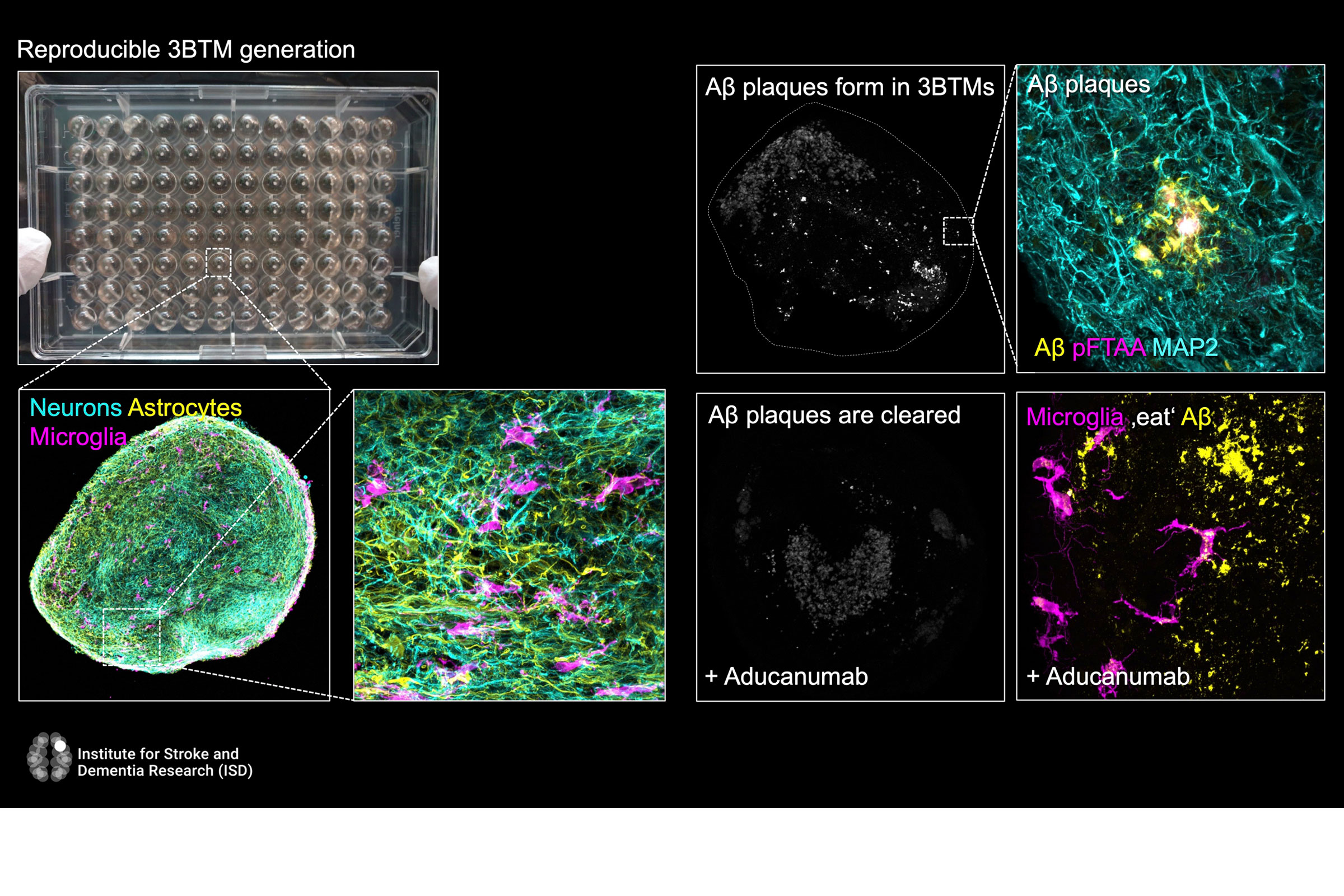
Current work in the lab focuses on expanding the models use to investigate AD risk factors and related diseases, investigating crosstalk between different pathologies, and using automation strategies to apply it in scalable ways for drug development and screening purposes.
Publication:
Press release:
Review:
Efficient and safe CRISPR genome editing in iPSCs
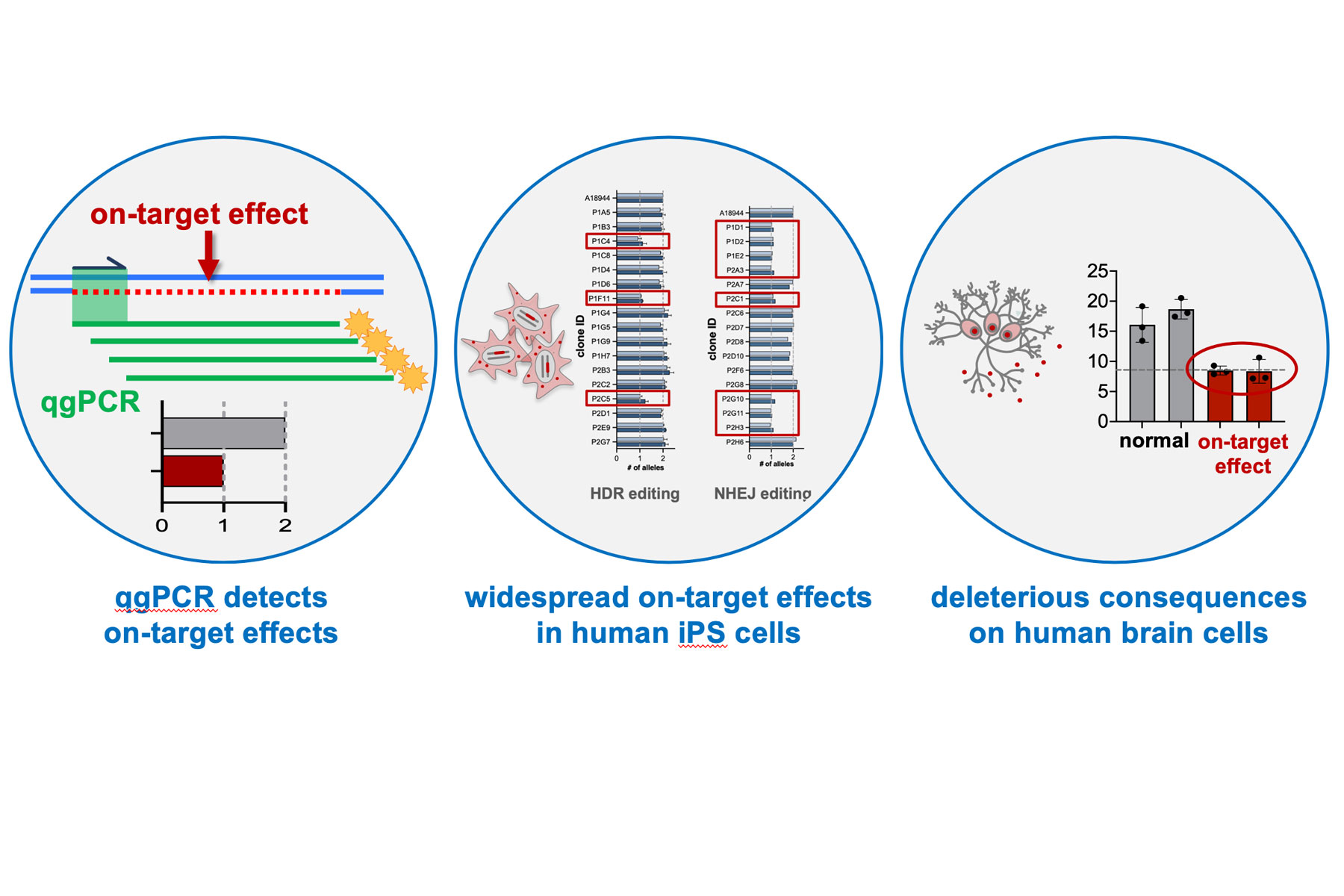
Efficient and reliable genetic access to the patient cells we study is crucial to investigate the role of disease-associated genes, genetic variations such as SNPs, and to induce or modify disease symptoms in our models. In a set of fundamental studies (Paquet et al. Nature 2016; Kwart et al. Nature Protocols 2017; Kwart et al. Neuron 2019) we revealed simple principles of efficient CRISPR/Cas9 genome editing in human iPSCs. We also demonstrated the potential of studying Alzheimer’s disease-causing mutations in isogenic sets of CRISPR-edited, iPSC-derived human cortical neurons. We then focused on improving the reliability and specificity of the CRISPR system e.g., by revealing frequent on-target effects in human iPSCs after editing and providing the field with simple detection tools to characterize and avoid these deleterious consequences of CRISPR genome.
Publications:
2026
2025
2024
2023
2022
2021
2020
2014
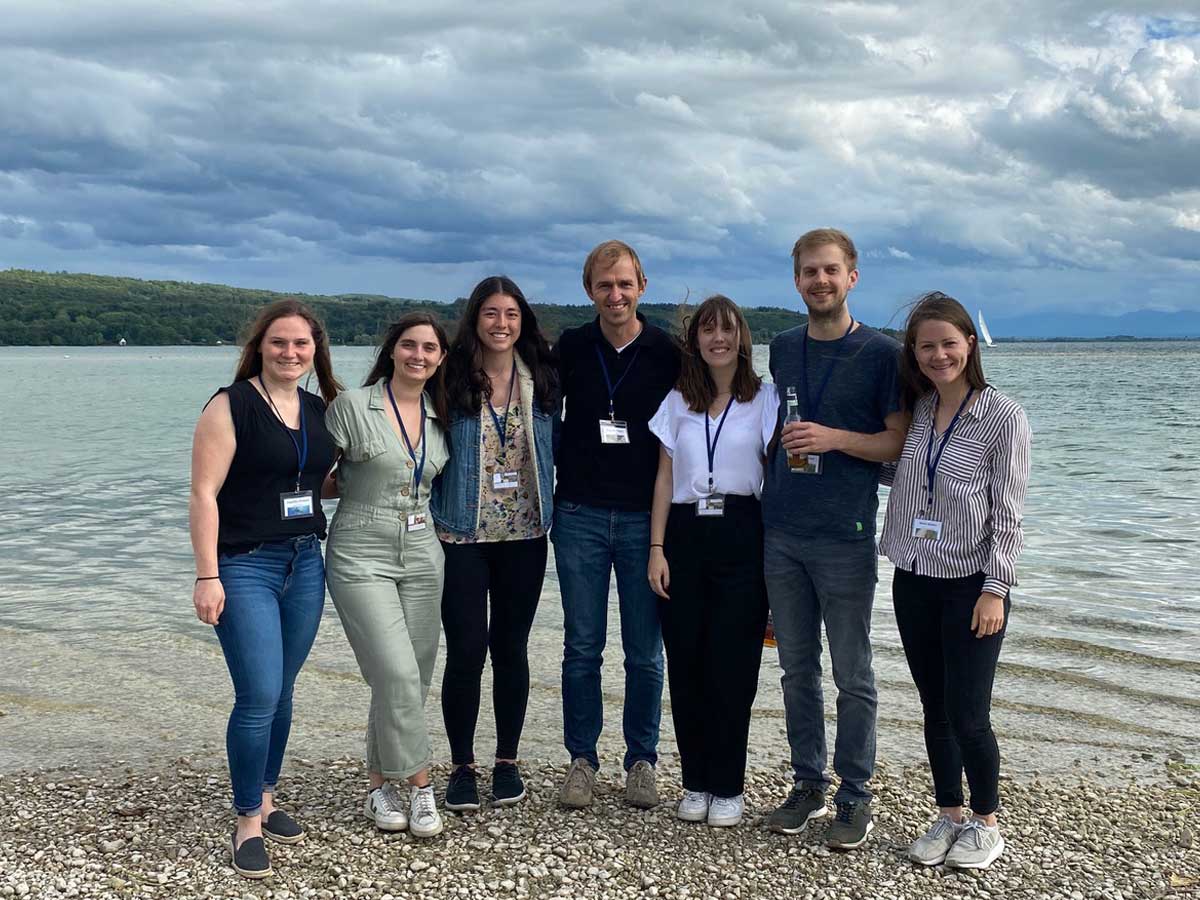
PaquetLab at annual ISD retreat 2023
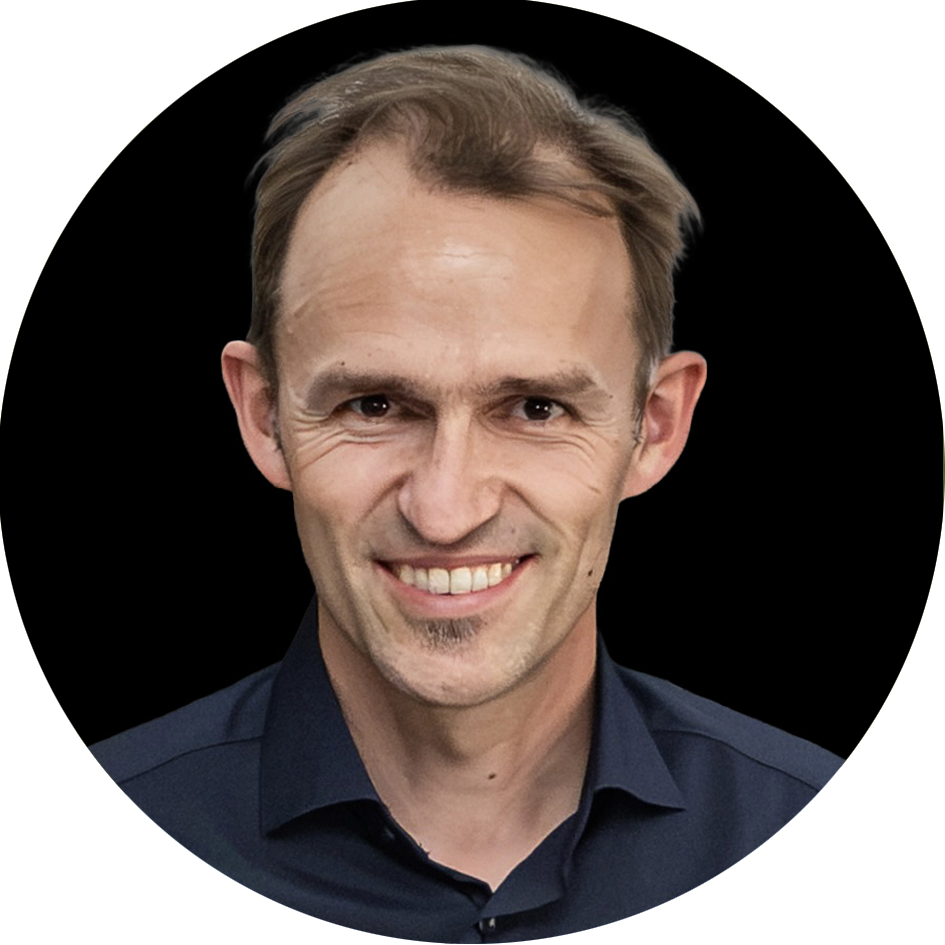
Dominik Paquet, Principal investigator
Dominik established the PaquetLab at ISD in 2017, after he was appointed Professor for Neurobiology at LMU Munich and became a member of the Munich Cluster for Systems Neurology (SyNergy). He received his BSc and MSc from the Eberhard-Karls-University Tübingen, Germany. During his MSc Dominik worked with Henry Roehl at the MRC Centre for Developmental Genetics in Sheffield, UK. For his PhD, Dominik developed the first Tau-transgenic zebrafish model to study mechanisms of Tau-related neurodegeneration with Christian Haass at LMU Munich. After working with Thomas Misgeld at TU Munich for 2 years on in vivo imaging to study mitochondrial transport defects in neurodegenerative diseases, Dominik joined the lab of Marc Tessier-Lavigne at The Rockefeller University in NYC as a New York Stem Cell Foundation Druckenmiller Fellow. There, he pioneered the use of CRISPR/Cas9 gene editing in induced pluripotent stem cells to study diseases of the human brain.
E-Mail: Dominik.Paquet@med.uni-muenchen.de
Phone: +49 89 4400 46123
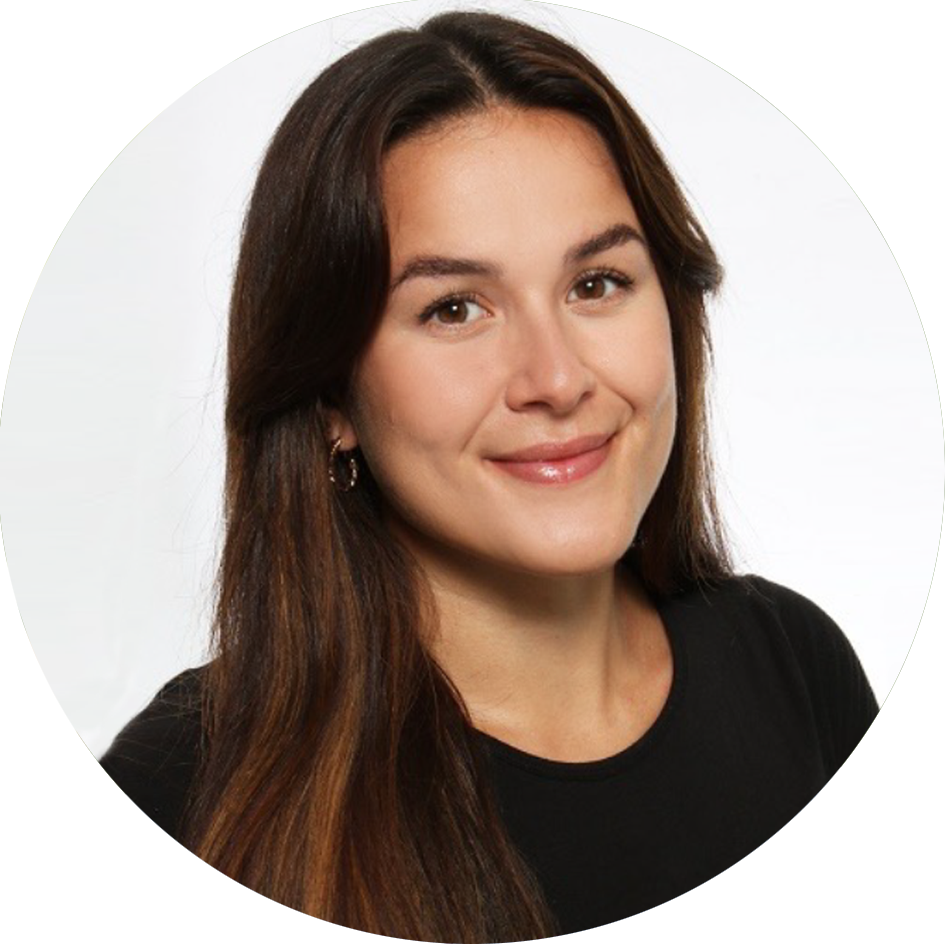
Angelina Korn, Labmanager/Team Assistant
Angelina grew up near Straubing in Bavaria and completed her Bachelor of Science in Chemical Biotechnology at the Technical University of Munich. She wrote her bachelor's thesis on the enzymatic degradation of PHB and PLA. Afterwards, she worked in the chemical industry as a material engineer. Due to her great interest in medicine and biology, she joined the PaquetLab as a laboratory manager in February 2025. She is supporting our team in all matters related to research organization, personnel, budgeting, ordering, and communication with various internal and external departments and partners.
E-Mail: Angelina.Korn@med.uni-muenchen.de
Phone: +49 89 4400 46026
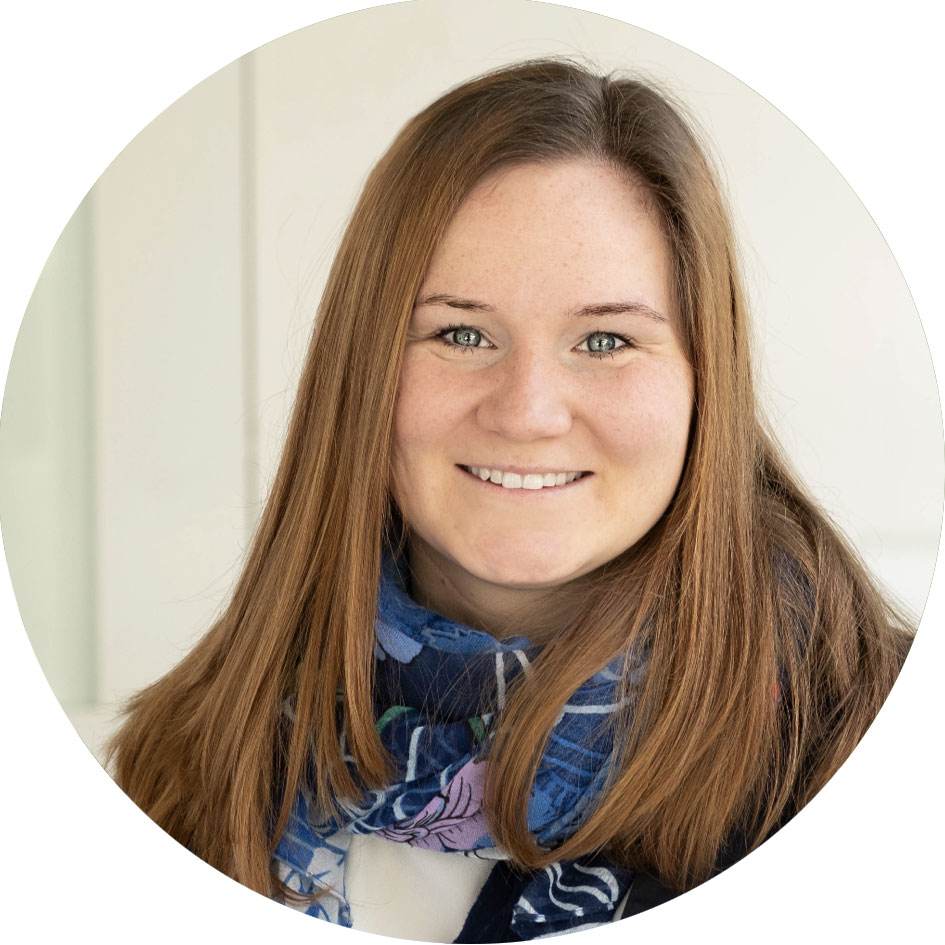
Angelika Dannert, Postdoc
Angelika grew up near Ulm in Germany. She studied Molecular Medicine and obtained her BSc from the University of Tübingen, and her MSc from the University of Göttingen, Germany. During her studies she did international research internships at Free University Amsterdam, University of Zürich, and Stanford University. During her master’s she worked on iPSC-based models of depression at a biotech company in Heidelberg, followed by her thesis on prevention of vascular stiffening in cell lines and primary human cells at the University Hospital in Göttingen. She joined the PaquetLab in December 2018 and is working on the development of complex in vitro models of FTD using CRISPR/Cas9-edited iPSC-derived brain cells.
E-Mail: Angelika.Dannert@med.uni-muenchen.de
Phone: +49 89 4400 46223
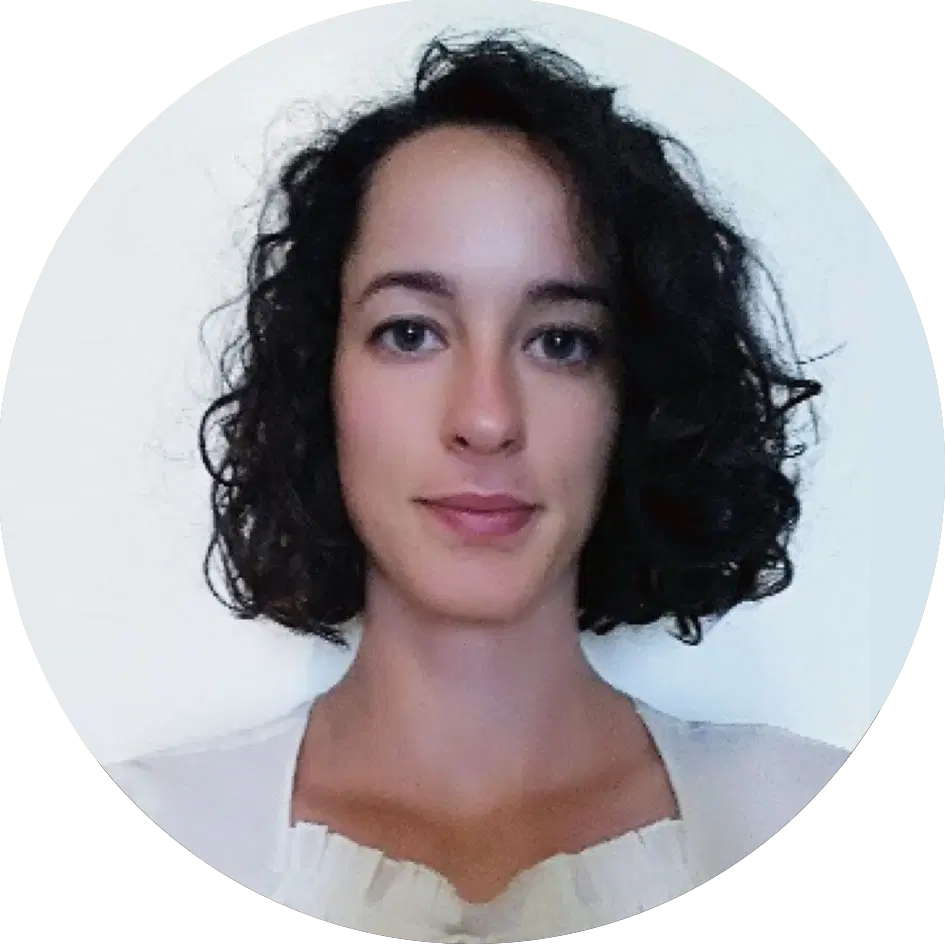
Mila Borri, Postdoc
Mila is originally from Florence, Italy. She obtained her MSc in Medical Biotechnology from the University of Padua (Italy) in 2016. During her Master’s she studied the differential responsiveness of CNS glial cells to Serum Amyloid A. In 2018, she moved to Belgium for her PhD in the Laboratory of Angiogenesis and Vascular Biology at VIB-KU Leuven, under the supervision of Prof. Peter Carmeliet. Here her work focused on the endothelial cell metabolism in renal ischemia/reperfusion injury. She joined the PaquetLab in March 2024 for studying the role of the vasculature in brain diseases.
E-Mail: Mila.Borri@med.uni-muenchen.de
Phone: +49 89 4400 46225
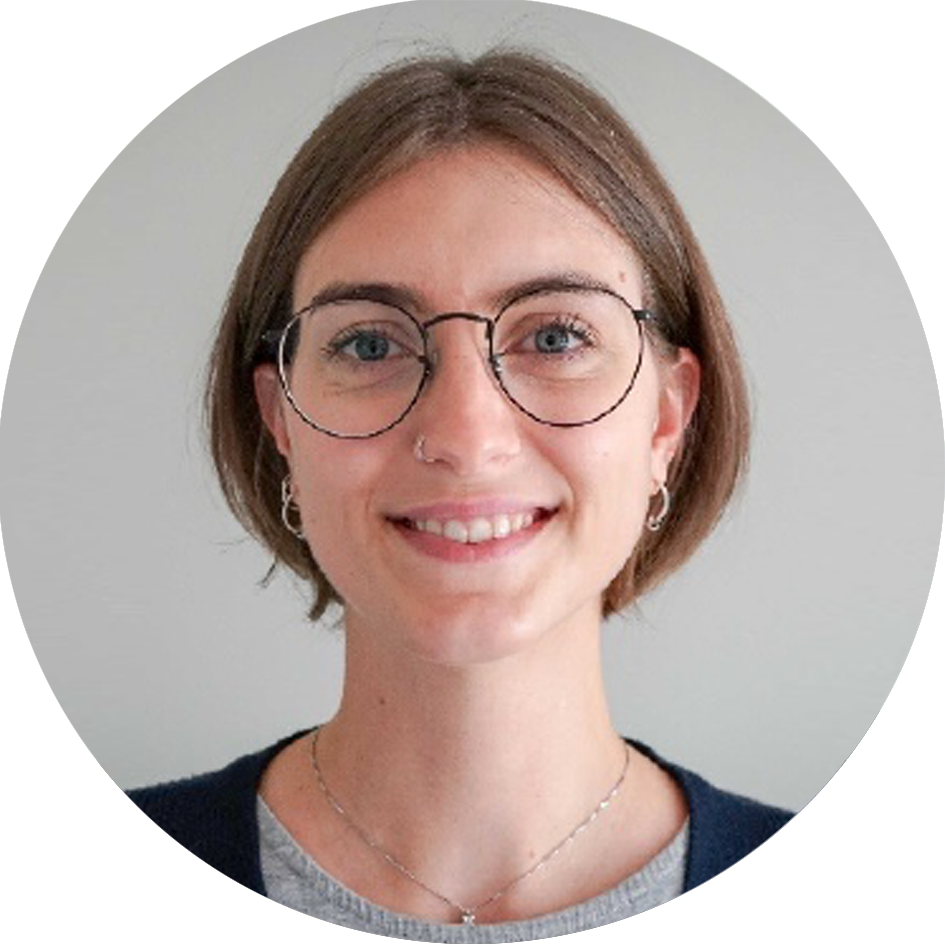
Caterina Carraro, Postdoc
Caterina is originally from Venice, Italy. She received her MSc in Pharmaceutical Biotechnologies in 2017 and her PhD in Molecular Sciences in 2021, both at the University of Padova. During her PhD in the group of Barbara Gatto, she worked on the development of novel nucleic acid-targeting anticancer candidates, applying molecular and omics-based approaches to characterize their mechanism of action and determinants of sensitivity. From 2022 to 2025 she worked with Joachim Schultze (Systems Medicine, DZNE Bonn) as a Postdoc and specialized in the use of single-cell and spatial multi-omics for the immune phenotyping of clinical cohorts in the context of aging and AD. In April 2025, she joined the PaquetLab with a DFG Walter Benjamin Fellowship to develop a high-throughput single-cell transcriptomics-based AD drug screening platform using advanced 3D brain in vitro models.
ORCID: 0000-0002-3039-4675.
E-Mail: Caterina.Carraro@med.uni-muenchen.de
Phone: +49 89 4400 46224
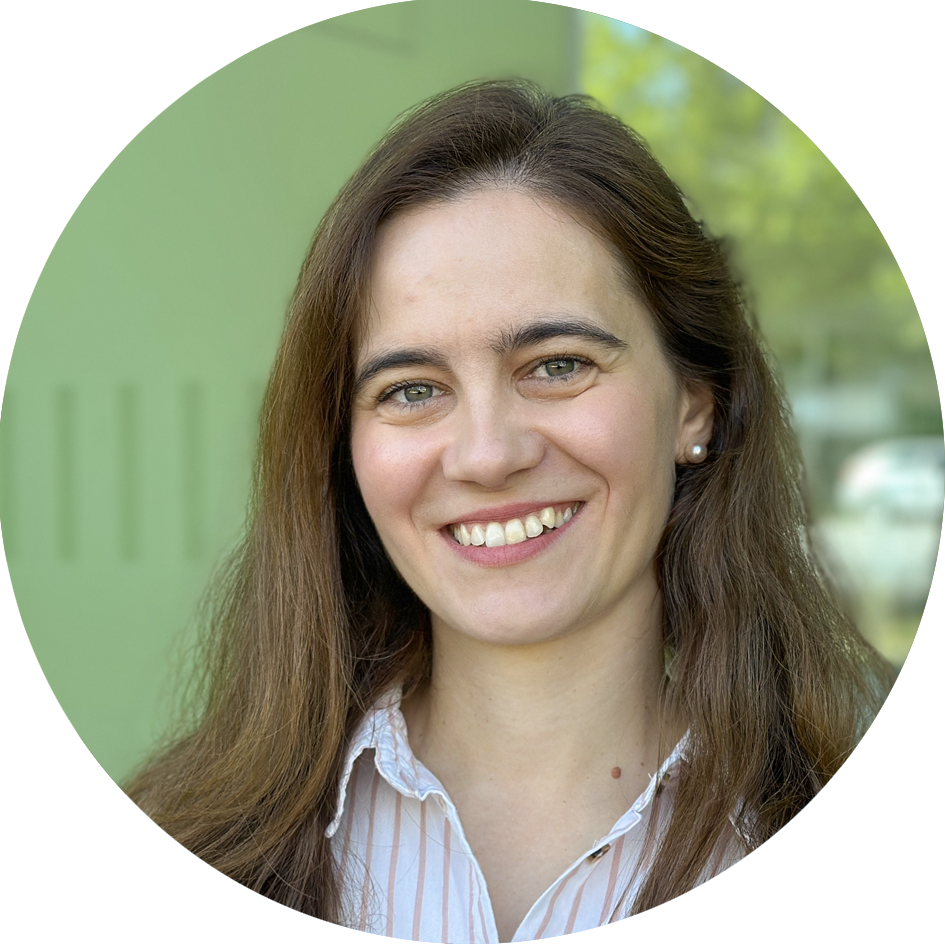
Tijana Ljubikj Maurer, Postdoc
Tijana is originally from Skopje, North Macedonia. She is a Medical Doctor by profession and obtained her medical training in 2014 at the Ss. Cyril and Methodius University in Skopje, North Macedonia. She obtained her MSc in Molecular and Developmental Stem Cell Biology at the Ruhr-University Bochum and the Institute for Stem Cell Research and Regenerative Medicine in Düsseldorf, where she worked on iPSC derived model of Crigler Najjar Syndrome. She then pursued her PhD in Regenerative Medicine in Utrecht, the Netherlands, where she worked in Jeroen Pasterkamp‘s lab on dissecting the role of microglia in C9ORF72-ALS using brain organoids. Tijana joined the Paquet Lab as a Postdoc in July 2025 to investigate Aβ and Tau interactions in an iPSC derived 3D brain tissue model of AD.
E-Mail: Tijana.Ljubikj@med.uni-muenchen.de
Phone: +49 89 4400 46225
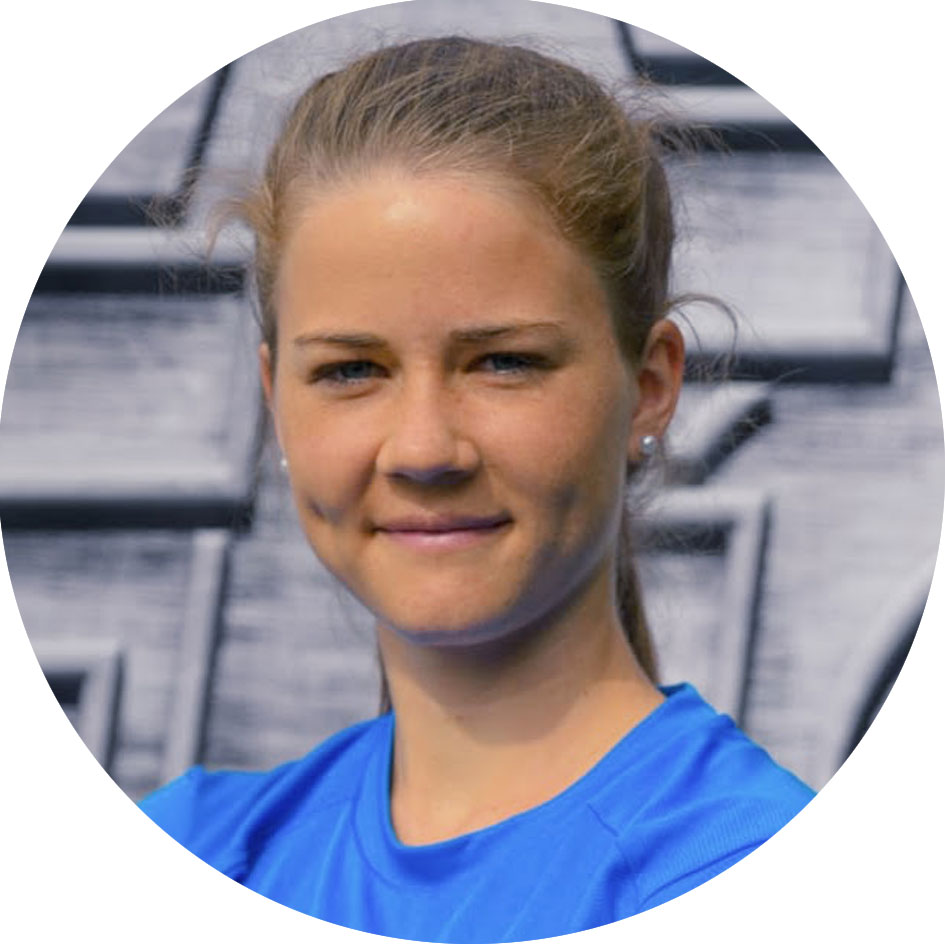
Merle Bublitz, GSN graduate student
Merle grew up in Hannover, Germany, after which she moved to Iowa, USA, to become a student athlete at Morningside University and obtain her BSc in Biology and Mathematics. During her Bachelor’s she worked with Dr. Chad Leugers investigating the role of tau protein and abnormal MAPK signaling pathways in Alzheimer’s disease. She also spent one semester at Griffith University in Australia with a focus on computational biology. In 2019, Merle became a master’s student with the GSN. After a research internship with Prof. David Franklin, where she investigated the impact of positive reinforcement learning in dual adaptation, she joined the PaquetLab for a research internship in October 2020. For her master’s thesis she is studying CRISPR/Cas9-edited iPSCs as a model system for AD.
E-Mail: Merle.Bublitz@med.uni-muenchen.de
Phone: +49 89 4400 46226
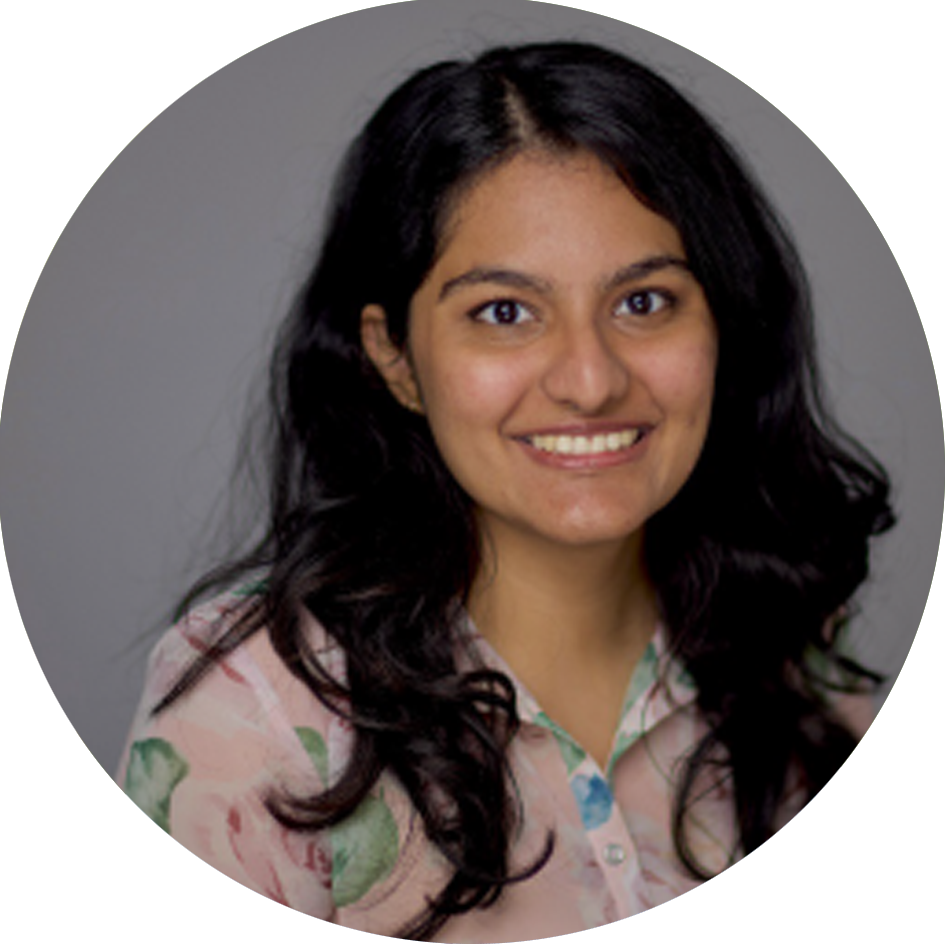
Ishita Ajiith, GSN graduate student
Originally from Mumbai, India, Ishita earned her BSc in Biotechnology from the University of Mumbai and MSc in Biomedical Sciences from the University of Edinburgh, where she studied neuron-astrocyte-microglial interactions and lipid droplet dynamics. At Oxford's Drug Discovery Institute, she focused on AD target validation through protein purification and high-throughput cell based assays in iPSCs, while authoring Target Enablement Packages. She joined the Paquet Lab in December 2024 as a PhD student, to investigate FTD mechanisms linked to progranulin mutations using dynamic 3D brain tissue models.
E-Mail: Ishita.Ajith@med.uni-muenchen.de
Phone: +49 89 4400 46226
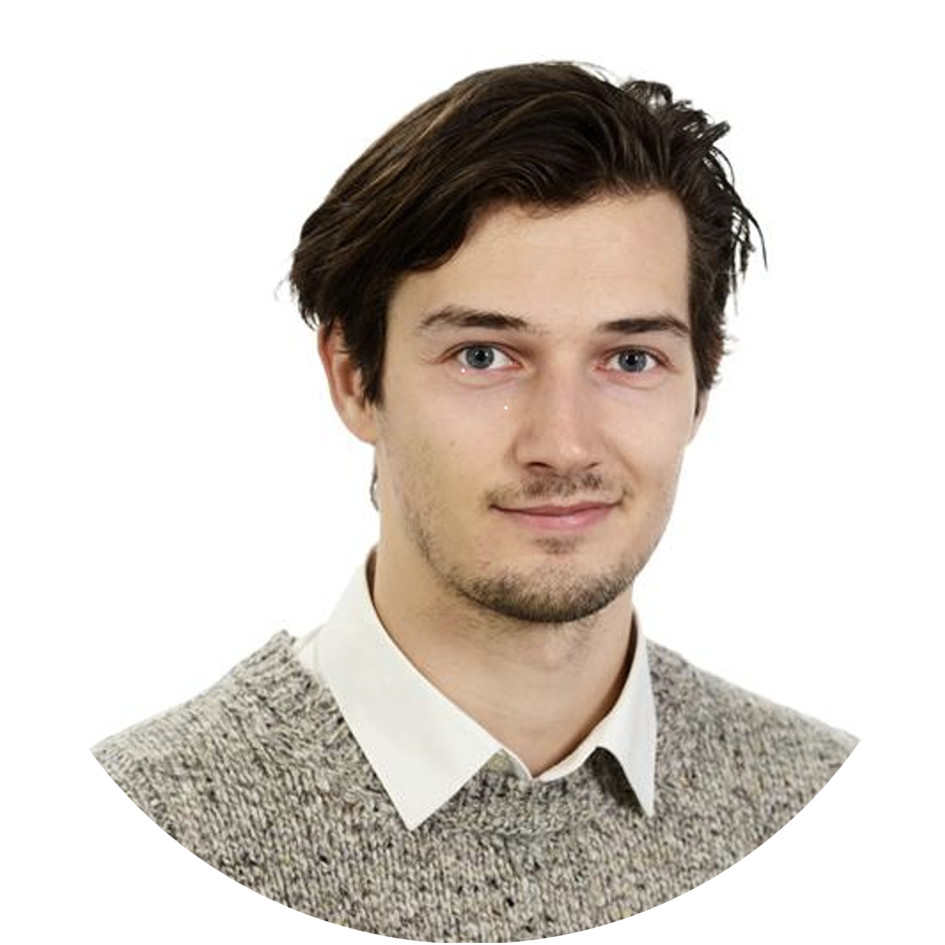
Jan Niklas Dreessen, GSN graduate student
Jan grew up in Hamburg, Germany. He studied Molecular Biotechnology at the Technical University of Munich and obtained his BSc and MSc in that field. During his studies, he worked in several laboratories around Munich obtaining skills in various cell culture applications and 3D cell culture systems. In his Master’s thesis, he built a 3D imaging platform investigating macrophage bacteria interactions under the supervision of Prof. Dr. med. Rainer Burgkart. He joined the Paquet Lab in October 2024 and is investigating the signaling pathway of PLCG2 in AD as well as implementing lab automation into the lab’s differentiation protocols.
E-Mail: Jan.Dreessen@med.uni-muenchen.de
Phone: +49 89 4400 46222
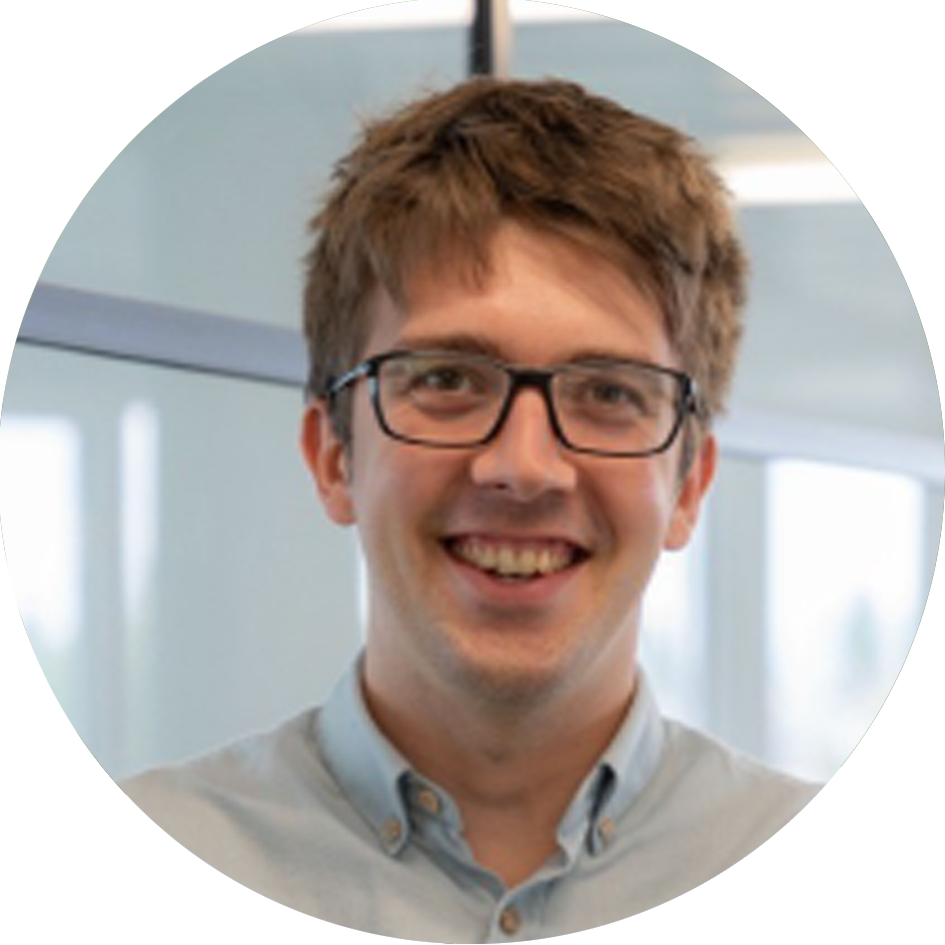
Jonas Rybnicek, GSN graduate student
Jonas grew up in a small village near Brno in the Czech Republic. He completed his BSc in Biomedical Sciences at the University of Dundee in 2019. During his undergraduate studies he did research placements and internships at the University of Alberta, IST Austria, MIT, as well as the LMU in Munich in the Kerschensteiner lab. During his MSc in Neuroscience at the University of Toronto in the Lambe lab, he studied the role of cortical cholinergic signaling in Alzheimer’s disease. Following his MSc graduation in 2022, Jonas joined the AI medicine startup Exscientia. There, he worked to develop an in-house patient-derived organoid biobank for use in high-throughput drug discovery projects. Jonas joined the Paquet lab in August 2025, to work on his PhD project utilizing novel 3D brain models to develop drug discovery and target validation assays for tauopathies.
E-Mail: Jonas.Rybnicek@med.uni-muenchen.de
Phone: +49 89 4400 46224
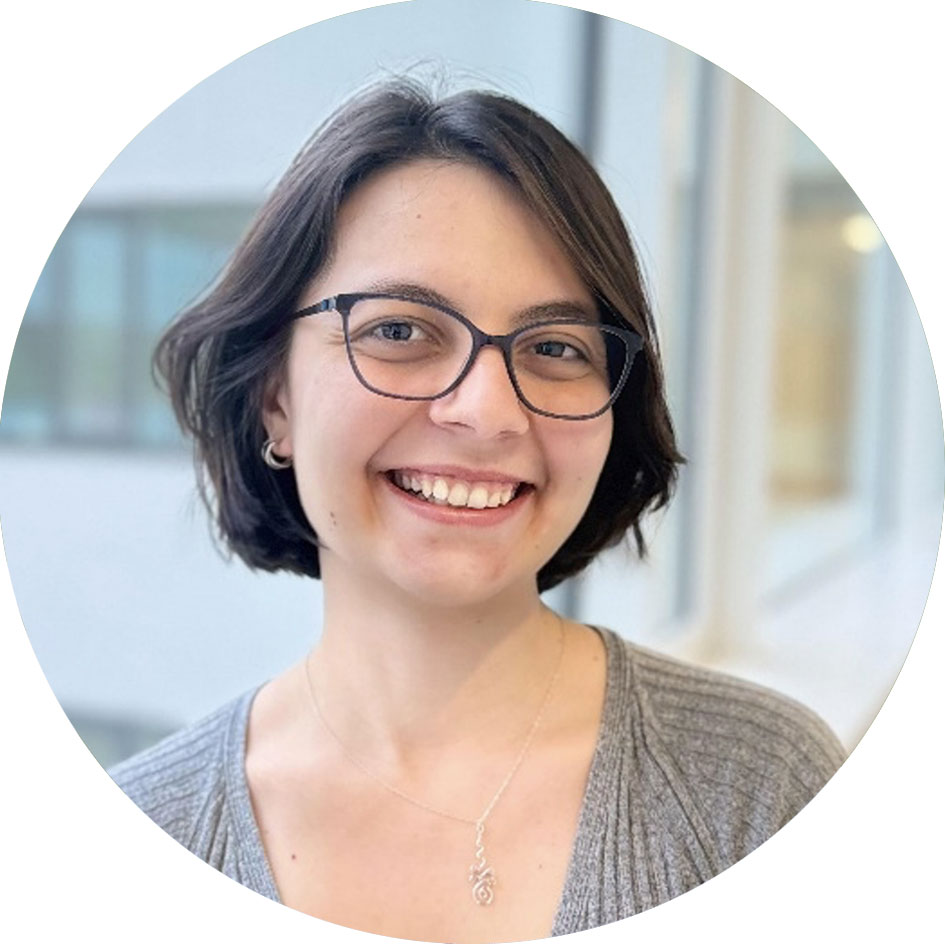
Ece Begüm Aksoy, GSN graduate student
Born in Istanbul, Turkey, Begüm obtained her BSc in Molecular Biology and Genetics in 2023 from Istanbul Technical University. During her Bachelor’s, she enriched her studies with multiple internships, including an Erasmus+ Summer traineeship at WWU Münster. For her BSc thesis she focused on Lentiviral Packaging of microtubule-associated genes. She then moved to Germany and received her MSc in Cellular and Molecular Neuroscience from The Graduate Training Centre of Neuroscience (GTC), University of Tübingen. During her Master studies she joined several groups for her rotations. For her MSc thesis she worked with the group of Dr. Deborah Kronenberg-Versteeg where she investigated functional implications of tau hyperphosphorylation and pathology in iPSC-derived neurons. She joined the Paquet Lab in October 2025 as a PhD student to investigate pathways of endolysosomal dysfunction in iPSC-models of neurodegenerative diseases.
E-Mail: Beguem.Aksoy@med.uni-muenchen.de
Phone: +49 89 4400 46224
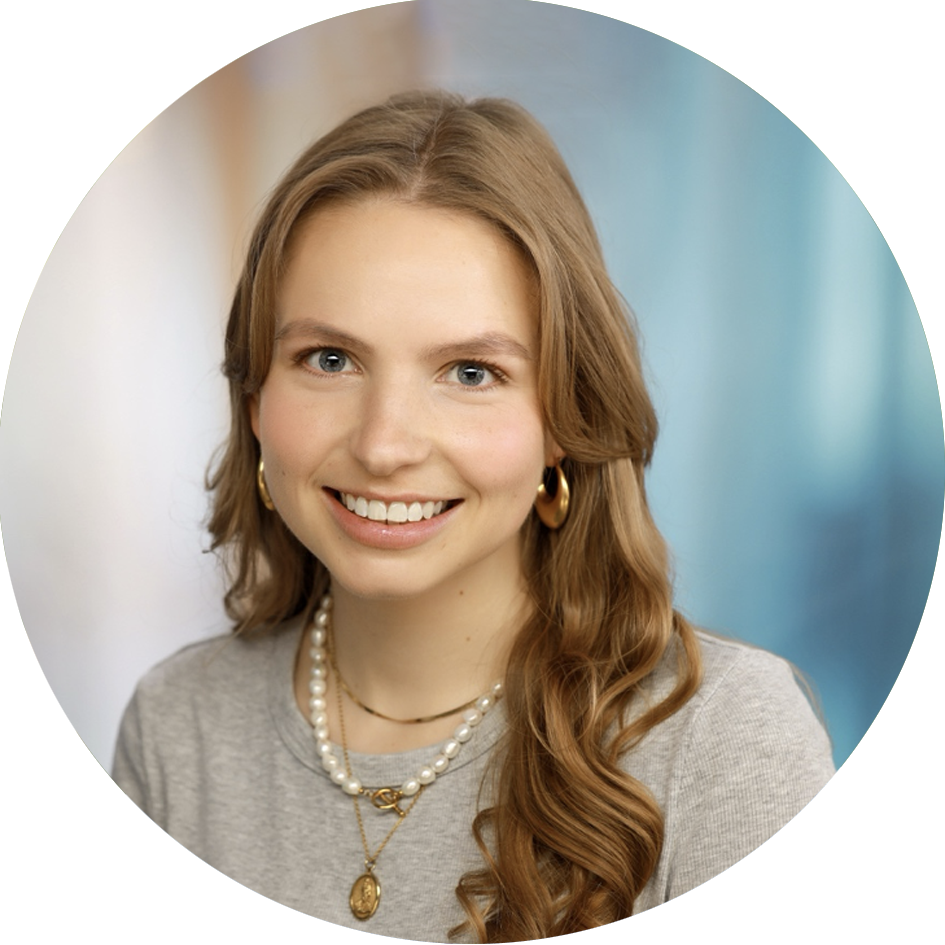
Mila Teigeler, Master student
Mila grew up in a small town near Münster, Germany. She received her Bachelor of Science in Biological Sciences from the University of Münster in 2024. During her undergraduate studies, she worked in Prof. Busch's laboratory, investigating the effects of Complex I deficiency on cellular energy metabolism in HeLa cells. She then moved to Munich to pursue a Master of Science in Biomedical Neuroscience at the Technical University of Munich. For her thesis project, she joined the Paquet Lab during her Master's studies. Her research focuses on the risk gene SH3PXD2A and its potential role in cerebral small vessel disease (SVD). After completing her master's degree, she will continue this line of research as a PhD student in the PaquetLab. She uses human stem cell–based models of the vascular system to investigate the mechanisms underlying neurovascular disease.
E-Mail: Mila.Teigeler@med.uni-muenchen.de
Phone: +49 89 4400 46222
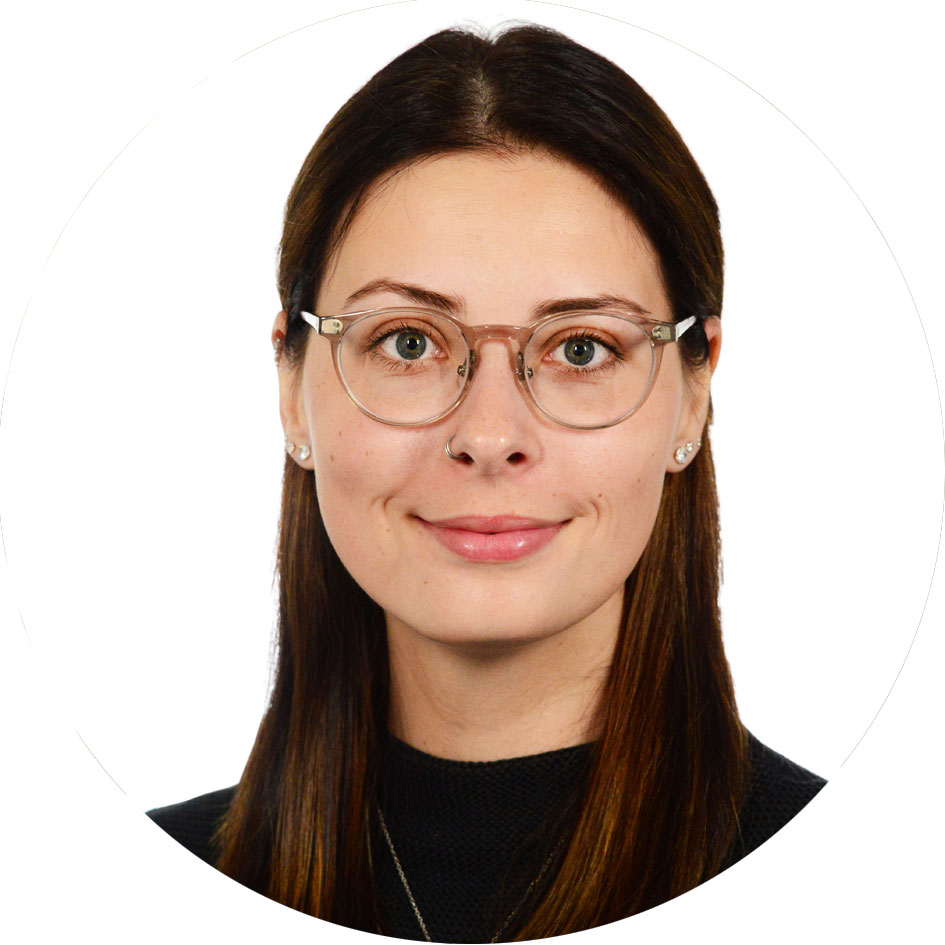
Nathalie Schulz, CTA
Nathalie was born and raised in Künzelsau, Germany. She graduated 2013 as a chemistry lab technician and worked as a lab technician for several years in Berlin. She joined the PaquetLab in May 2023 and is involved in several projects from stem cell differentiation to CRISPR/Cas9 genome editing. She also contributes to a functional lab environment and supports the entire team in multiple ways.
E-Mail: Nathalie.Schulz@med.uni-muenchen.de
Phone: +49 89 4400 46247
Alumni
Julien Klimmt, GSN graduate student; now postdoc at Bence György‘s lab, Basel
Carolina Cardoso Goncalves, GSN graduate student; now scientist at Neurix, Geneva
Judit Gonzalez Gallego, GSN graduate student; now postdoc at EMBL Barcelona
Sophie Robinson, GSN Graduate student; now at Cure Ventures, Boston
Marvin Reich, GSN graduate student; now postdoc at Tony Wyss-Coray‘s lab, Stanford
Einar Krogsaeter, graduate student; now postdoc at Gladstone Institute, San Francisco
Joseph Kroeger, GSN graduate student; now scientist at ISAR Bioscience, Planegg
Liliana Pedro, GSN graduate student; now scientist at Evotec, Hamburg
Isabell Weisheit, GSN graduate student; now scientist at Boehringer Ingelheim
Raquel Clara, master student; now medical student at TUM
Rita Grimalt, master student; now PhD student at Institute for Bioengineering of Catalonia
Stella Chroni, master student; now scientists at CRELUX, Gräfelfing
Lea Knez, master student; now PhD student at Francis Crick Institute, London
Lisa Pelzl, master student; now PhD student at Sarah Jäckel‘s lab, TU Munich
Elizabeth Bader, master student; now MD/PhD student at Harvard MGH
Juliette Chevalier, master student; now PhD student at Vrije Universiteit Amsterdam
Melanie Falke, master student
Annika Wagener, master student; now PhD student at Burbulla lab, DZNE Munich
Katja Salbaum, master student; now PhD student at LMU Munich
Dennis Crusius, BTA, now Research Technician at EMBL Barcelona
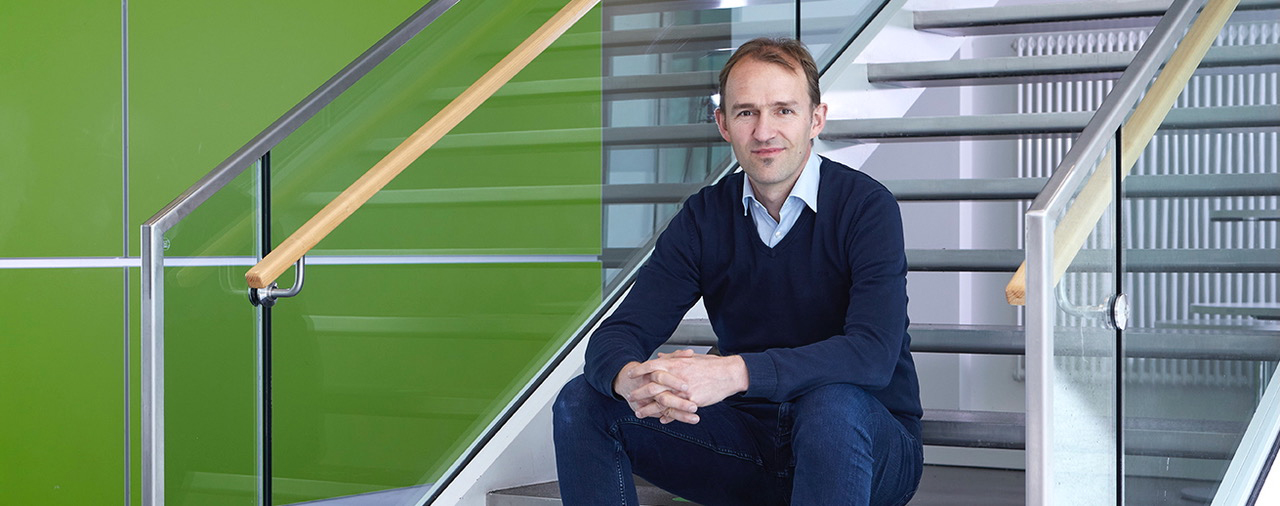
Dominik is a Professor of Neurobiology at Ludwig-Maximilians-Universität München and a research group leader at the Institute for Stroke and Dementia Research (ISD) at the University Hospital, LMU Munich. He has a long-standing interest in elucidating the molecular mechanisms leading to degeneration of the human brain in Alzheimer’s disease (AD), frontotemporal dementia (FTD), stroke and related neurodegenerative and neurovascular disorders. A major research goal of the PaquetLab is to develop human model systems that recapitulate central features of brain disease and apply these models to investigate the molecular players leading to malfunction and demise of neurons
Scientific vita | Dominik Paquet
2022 – | Professor of Neurobiology (W2 tenured), Ludwig-Maximilians-Universität München, Germany.
2017 – 2022 | Professor of Neurobiology (W2 tenure track), Ludwig-Maximilians-Universität München, Germany.
2011 – 2016 | NYSCF Druckenmiller Postdoctoral Fellow, Laboratory for Brain Development and Repair, The Rockefeller University, New York, USA; Mentor: Marc Tessier-Lavigne
- developed induced pluripotent stem cell (iPSC) based models of AD and Tauopathies in collaboration the New York Stem Cell Foundation (NYSCF) and robust techniques for genome editing of iPSCs using CRISPR/Cas9; demonstrated for the first time the formation of disease-relevant, zygosity-dependent phenotypes by knock-in two early-onset AD mutations (Publications in Nature and Nature Protocols).
2009 – 2011 | Postdoctoral Fellow, German Center for Neurodegenerative Diseases (DZNE), Munich, Germany; Mentors: Thomas Misgeld, Christian Haass
- performed the first in vivo imaging of axonal transport, a cellular pathway involved in disease progression, in an intact vertebrate animal (Publication in J Neuroscience).
2005 – 2009 | PhD Thesis (summa cum laude), Department of Biochemistry, Adolf-Butenandt-Institute, Ludwig-Maximilians University (LMU), Munich, Germany; Mentor: Christian Haass
- developed the first transgenic zebrafish model of AD/FTD that showed neurodegeneration and protein aggregation (Publication in JCI)
2004 – 2005 | Diploma Thesis, MRC Centre for Developmental Genetics, University of Sheffield, United Kingdom; Mentor: Henry Roehl
1999 – 2004 | Studies of Biology (summa cum laude), University of Tübingen, Germany
Fellowships
• Druckenmiller Postdoctoral Fellowship, New York Stem Cell Foundation (NYSCF)
• Postdoctoral Fellowship, German Academy of Sciences Leopoldina
• PhD-Fellowship, Universität Bayern e.V.
• Diploma Thesis Fellowship, German academic exchange service (DAAD)
• Diploma Thesis Fellowship, Department of Biomedical Sciences, University of Sheffield, UK
Awards
• Helga-Steinlein Award, Alzheimer-Forschungs-Initiative 2025
• Sanofi iAward 2020
• NCL Foundation Neurodegeneration Award 2018
• Best poster award, The New York Stem Cell Foundation Innovators Retreat 2016
• Best talk award, The New York Stem Cell Foundation Innovators Retreat 2015
• Award for 'Intelligible Science’, Helmholtz Zentrum Geesthacht, 2010
• Finalist at Deutscher Studienpreis 2010, Körber-Stiftung, 2010
• Best talk award, Interact-Meeting Munich 2009
• International Leda-Hanin-Award of the Cornelli Foundation, AD/PD-Meeting 2009
• International Verum Award of the Verum Foundation, 2009
• 1st Young Investigator Award of the Universität Bayern e.V., 2008
• Travel award, The Lindau Nobel Laureate Meeting, 2007
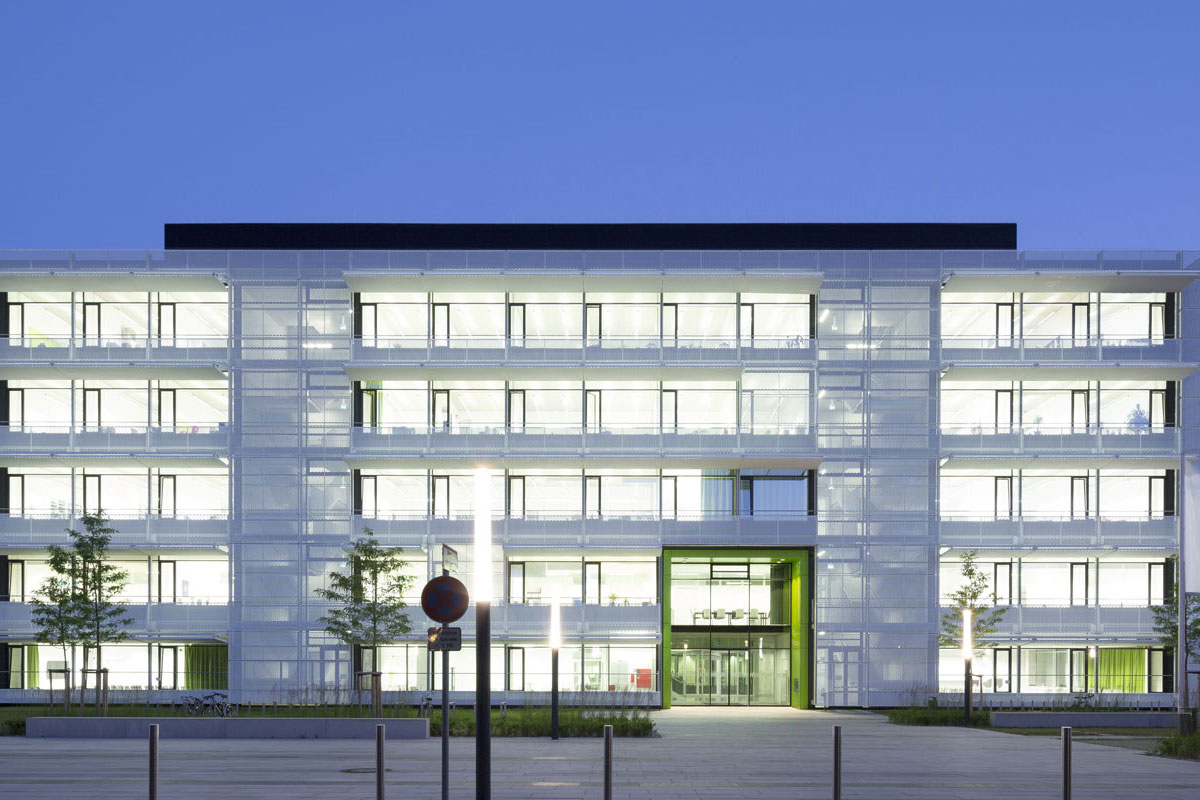
The PaquetLab is part of the Institute for Stroke and Dementia Research (ISD) and located on the 2nd floor of the new CSD building on the high-tech campus Grosshadern / Martinsried, one of the biggest European centers combining basic and clinical life science research and technological innovation. The campus houses the LMU Klinikum, one of the biggest University hospitals in Europe, several research institutes of the LMU in medical and natural sciences, the Max Planck Institutes for Biochemistry and Neurobiology, as well as the Innovation and Start Up Center for Biotechnology.
Photo: Center for Stroke and Dementia Research © Stefan Müller-Naumann
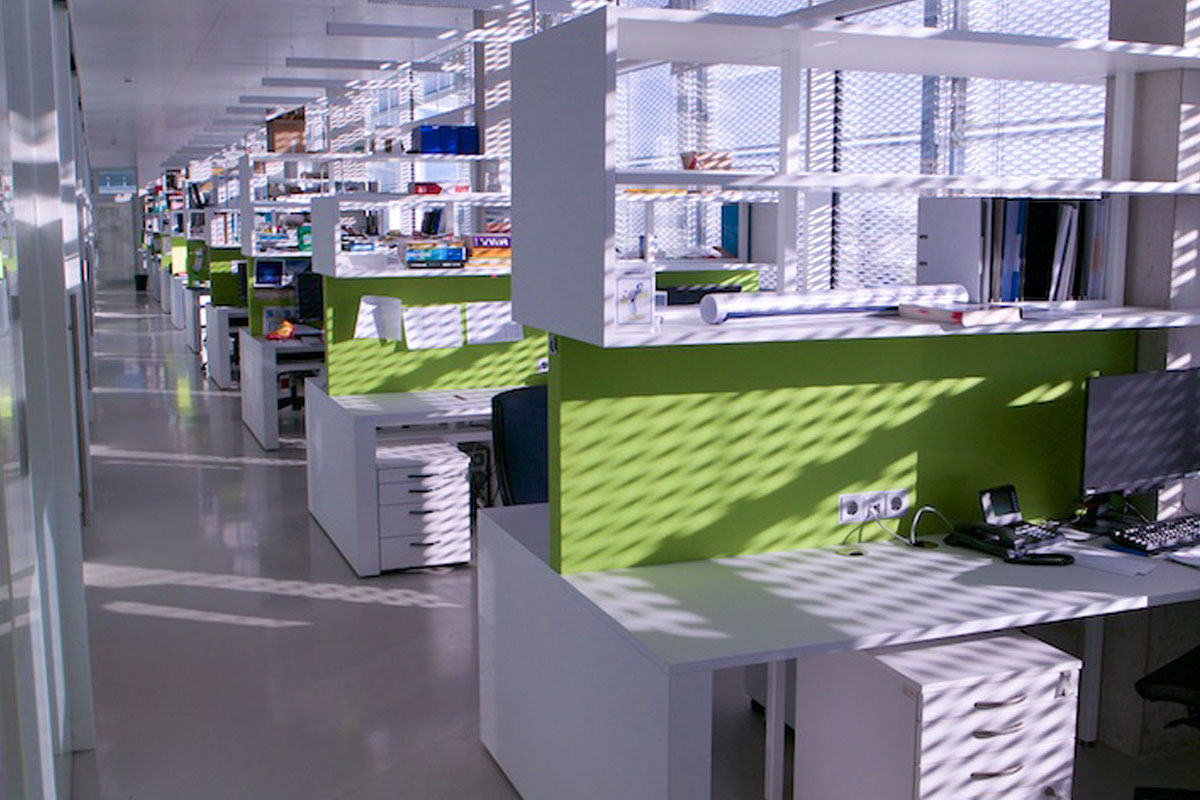
The CSD building was opened in 2014 and houses research labs of the ISD, the Chair of Metabolic Chemistry of the Medical Faculty of the LMU, the Technical University Munich and the German Center for Neurodegenerative Diseases (DZNE) , an outpatient clinic for stroke and dementia patients, as well as lecture halls, seminar rooms etc. It provides home to over 200 basic and clinician scientists, technical and support stuff.
PaquetLab writing area
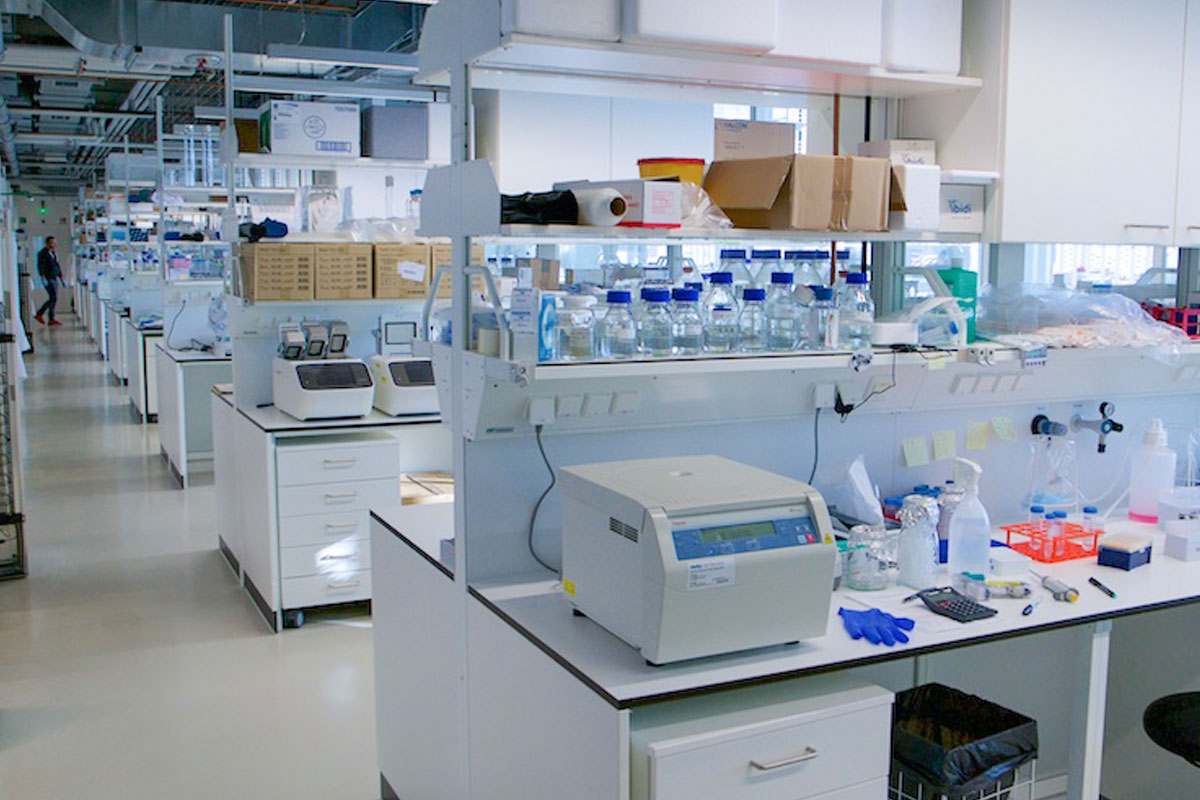
PaquetLab wetlab
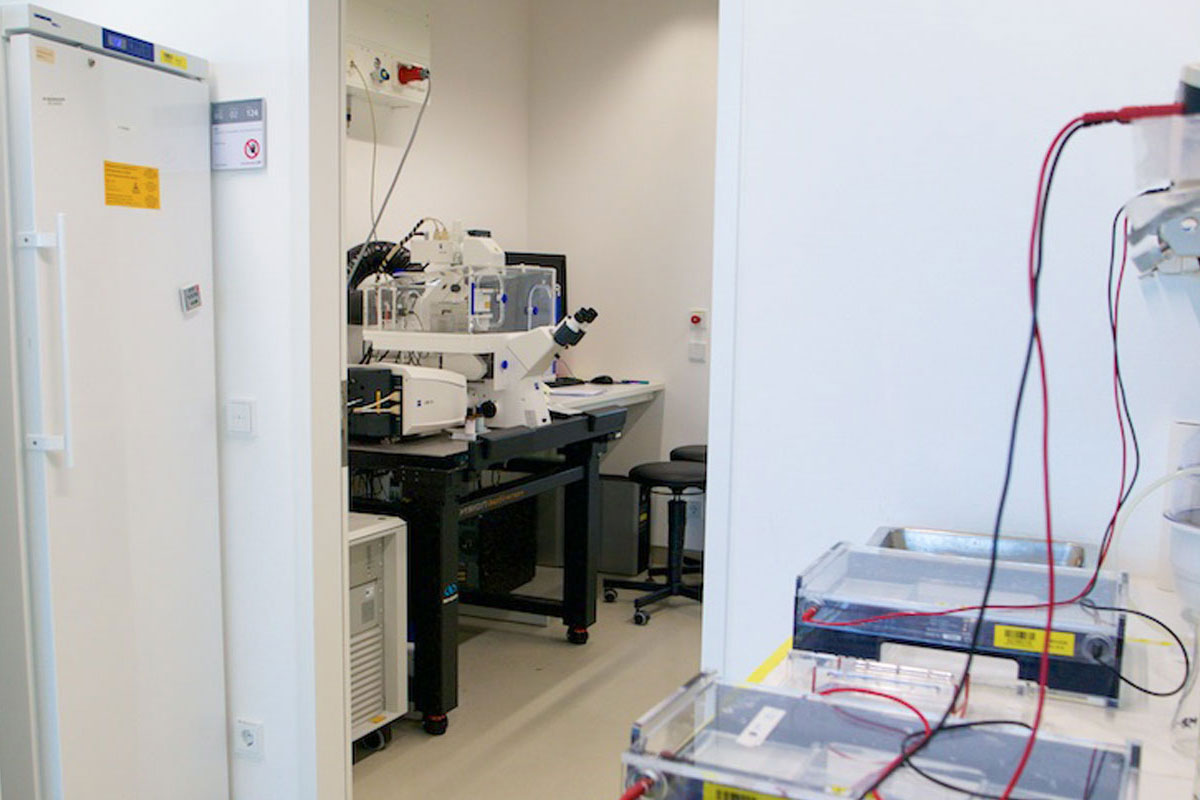
Gel area and confocal microscope
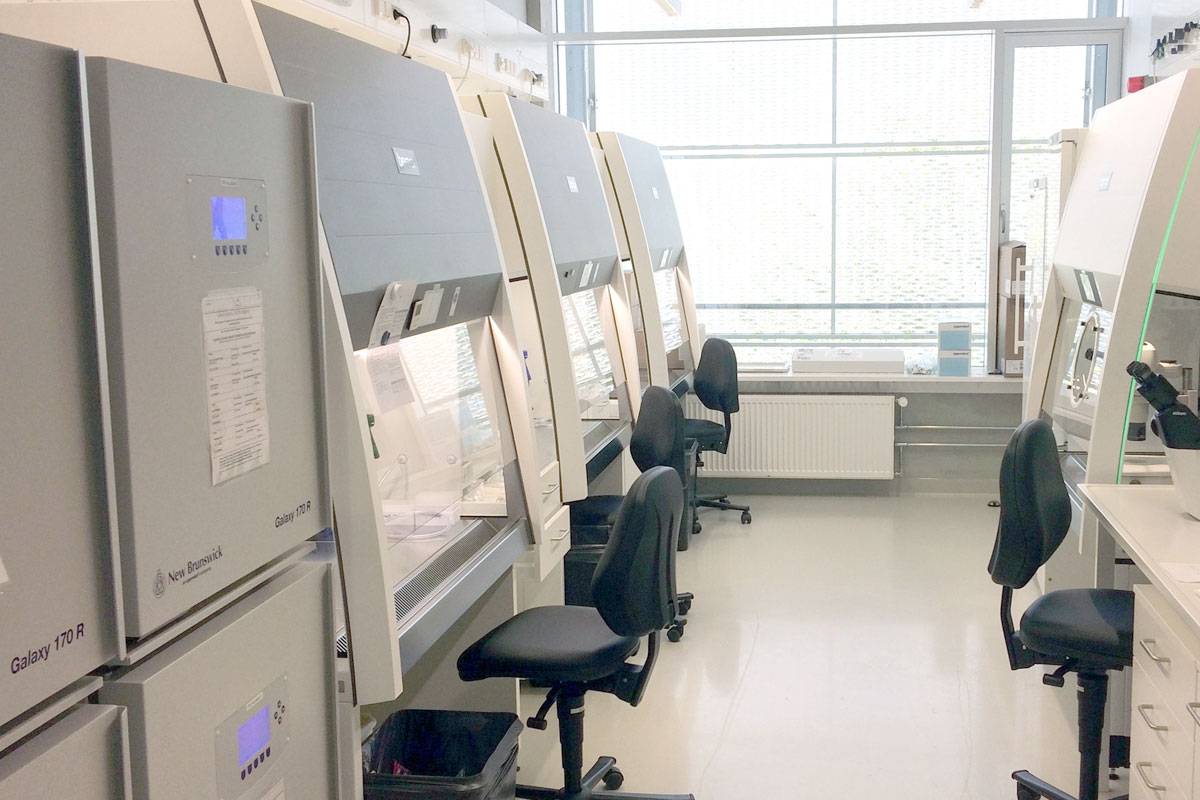
Stem cell culture
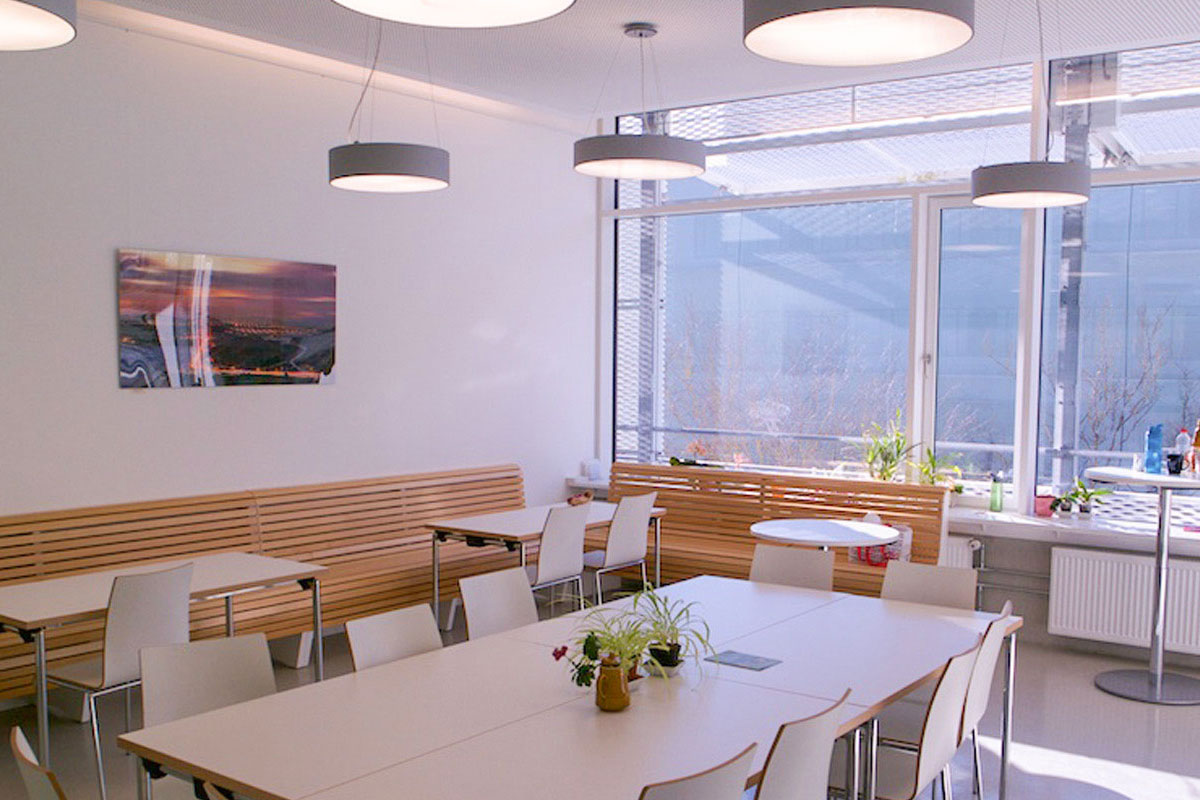
Break Room
The PaquetLab gratefully acknowledges research funding by:











Dominik Paquet
Professor of Neurobiology
+49 89 4400 46123
dominik.paquet@med.uni-muenchen.de