
We develop multimodal machine learning methods and computational analysis techniques that bring together single cell omics, spatial omics, histology, and neuroimaging data, with the goal of better understanding the brain in health and disease and moving towards personalised diagnosis and treatments. Towards this aim, we bring new advancements in data analysis and machine learning from computational biology and computer vision to neuroscientific data to advance our understanding of neurovascular and neurodegenerative phenotypes.
We are currently focussing on the following key topics:
Spatial omics analysis pipelines for brain tissue
We aim to gain a deeper understanding of the cellular organisation of the brain by analysing gene and protein expression in a spatial context. Using spatial omics datasets such as 10x Visium and MERFISH we extract spatial gene and protein expression patterns and relate them to morphology, single-cell RNA sequencing data, and disease variables. For this, we have recently developed the spatial omics analysis toolbox Squidpy and the subcellular analysis method Campa in collaboration with Fabian Theis at Helmholtz Munich. In collaboration with the Dichgans lab, we are currently developing a best-practice pipeline for cellsegmentation from MERFISH data.
Key publications
• Palla, Spitzer et al, Nature Methods 2022
• Spitzer, Berry et al, Nature Methods 2023
Multimodal data analysis and representation learning
We aim to combine datasets across diseases and modalities into a multimodal and multiscale brain atlas. By integrating data from different sources and diseases, we hope to identify features that are conserved across diseases and study correlations between modalities. Towards this aim, we are currenly focussing on learning general representations from spatial omics data, and combining these with histological representations that our collaboration partner Christian Schiffer at Forschungszentrum Jülich is learning. This work is done in the context of the Helmholtz Imaging Project Xbrain.
In an orthogonal line of research we are investigating how we can use the rich information from spatial omics data to inform histological analysis by for example building models to predict cell types from DAPI stains. In addition, we recently build a multi-modal cross-species single-cell pancreatic atlas, and aim to apply similar techniques to brain data.
Key publications
• Yang, Spitzer et al, Nature Communications 2025
Neuroimaging representation learning
We establish pipelines for extracting interpretable features from neuroimaging data using advanced deep learning algorithms. In collaboration with Anna Dewenter, we are developing an algorithm to detect and segment cortical superficial siderosis (cSS) on brain MRI scans to facilitate automated cSS assessment in large datasets. Our long-term goal is to assess the prevalence of superficial siderosis as an estimate of cerebral amyloid angiopathy on the population level. In addition, as part of the MELD project, we are using graph neural networks to identify focal cortical dysplasia lesions in a large cohort of epilepsy patients. Our goal with these projects is to develop and apply advanced neuroimage analysis techniques that will help us to better understand structural brain changes associated with neurodegenerative diseases.
Key publications
• Ripart et al, Jama Neurology 2025
• Spitzer, Ripart et al, Brain 2022
Our group is also associated with the Computational Health Center at Helmholtz Munich and part of the Munich cluster for Systems Neurology (SyNergy), where we are coordinating the Omics Analysis&Integration Hub.
We are currently hiring a postdoctoral researcher for multimodal omics and image analysis.
Please look at the job posting or contact hannah.spitzer@med.uni-muenchen.de to learn more.
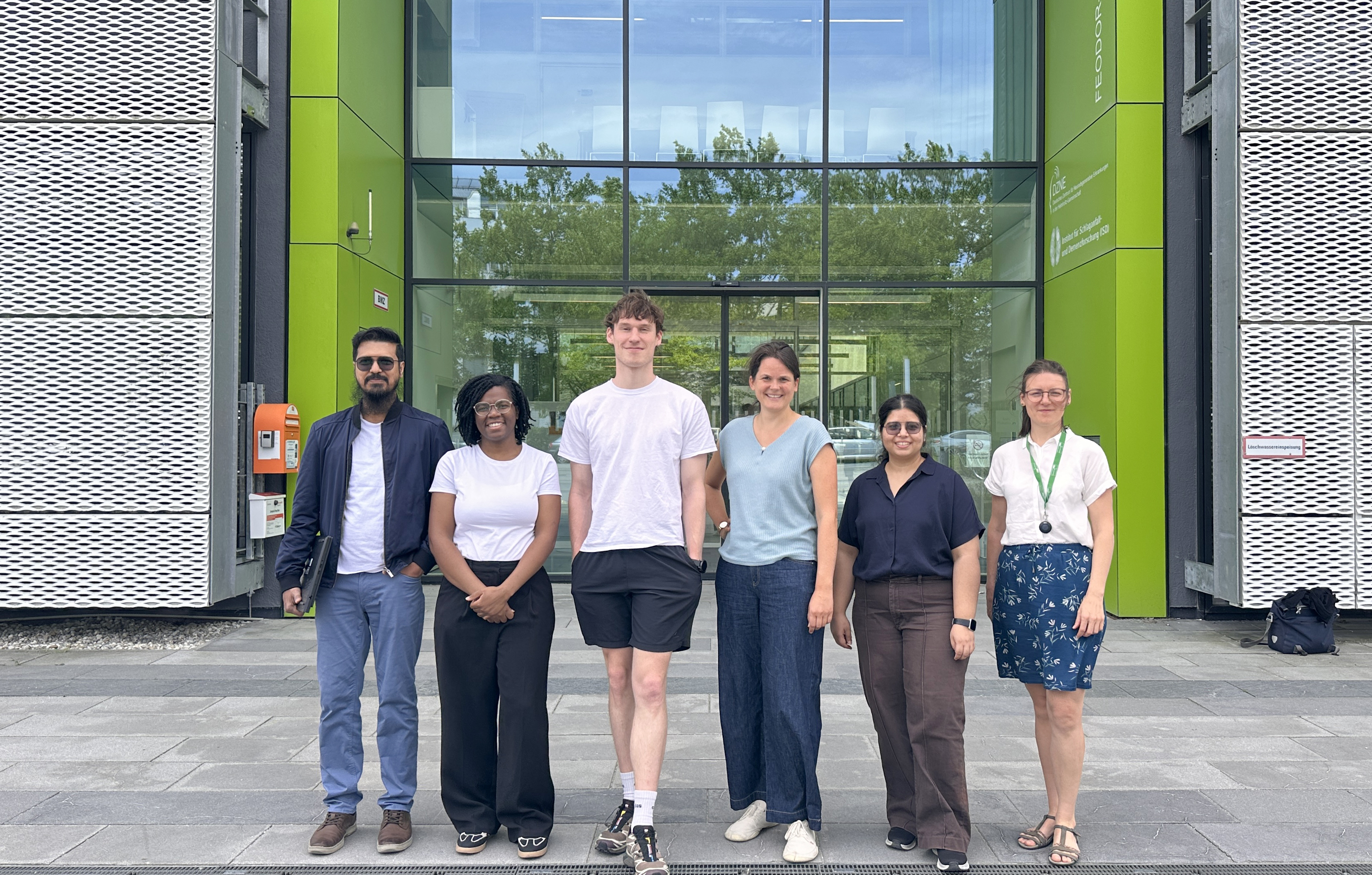
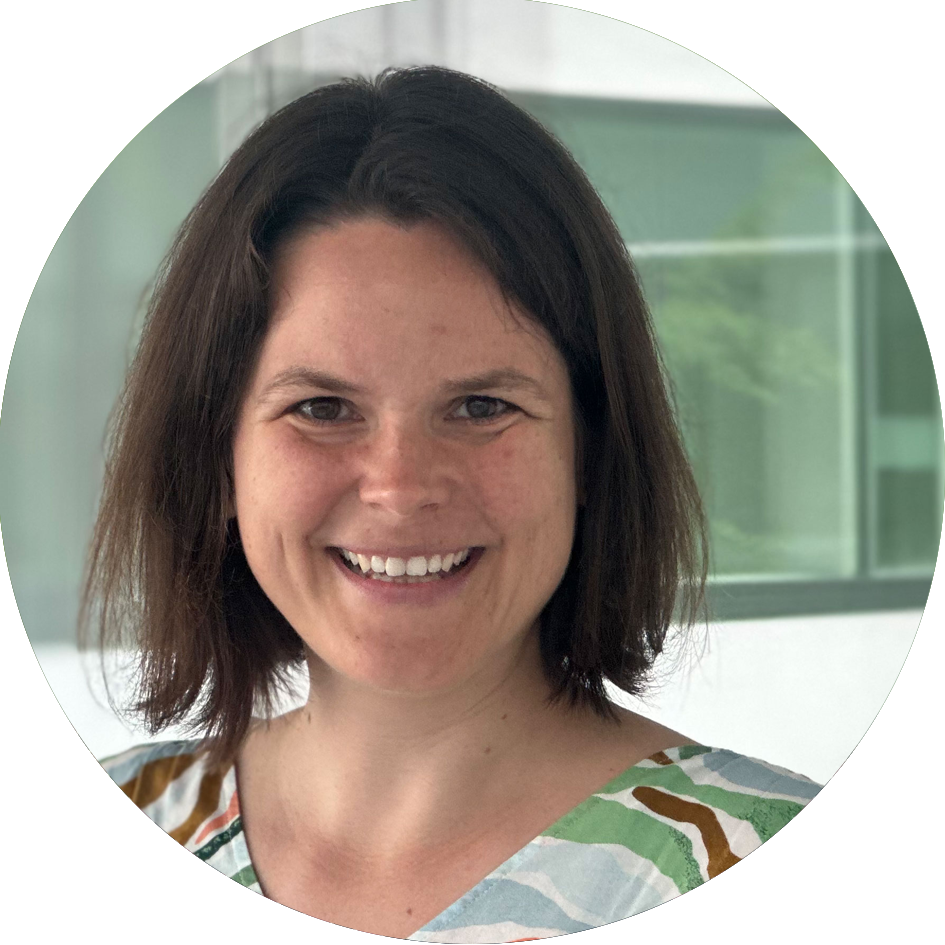
Hanna Spitzer, PI
see more about the PI on the next section

Wasim Aftab, Postdoc
I earned my PhD in Bioinformatics at LMU Munich in 2022 and expanded my statistical data analysis toolkit during a postdoc at the Bioinformatics Unit, BMC Munich. Drawn to the vibrant frontier where neuroscience meets AI, I joined the Spitzer lab in May 2025. Here, I focus on developing computational pipelines to predict and localize small-vessel disease and to deconvolute bulk proteomics into cell-state landscapes seeded by single-cell RNA signatures. I’m also interested in leveraging large language models alongside knowledge graphs to manage and interpret biomedical knowledge. When the servers cool down, you’ll find me sampling street food and exploring cultures around the world.

Aakanksha Singh, Postdoc

Mireille Ngokingha Tchouto, Postdoc
I completed my Ph.D. at Technische Universität Berlin in 2026, where I studied the molecular mechanisms underlying bone regeneration and aging using transcriptomics, image analysis, and computational approaches. Working with diverse biological datasets made me realize the potential of bringing different data modalities together to better understand complex biological systems. This inspired me to join the Spitzer Lab at the Institute for Stroke and Dementia Research (ISD), LMU University Hospital Munich, as a postdoctoral researcher. My current research focuses on developing multimodal methods that integrate single-cell omics, spatial omics, histology, and neuroimaging data to better understand the brain in health and disease. Outside the lab, I enjoy traveling, discovering new cultures, connecting with people from different backgrounds, and engaging in community outreach.

Beatrice Guastella, PhD Student
I completed my BSc studies in Pharmaceutical Biotechnology at the University of Milan in 2019, and my MSC studies in Bioinformatics and Systems Biology in Amsterdam in 2021. I have always been fascinated by the application of mathematics and data science to neuroscience. After a short research experience at Leiden University, I joined the Spitzer lab in September 2023. My projects are focused on developing ML approaches for the analysis of imaging and omics data, in the context of neurovascular diseases. I have many hobbies, including drawing, animation, videogames, and inline skating. I am also very passionate about data justice, which principles I aim at integrating in my own work.
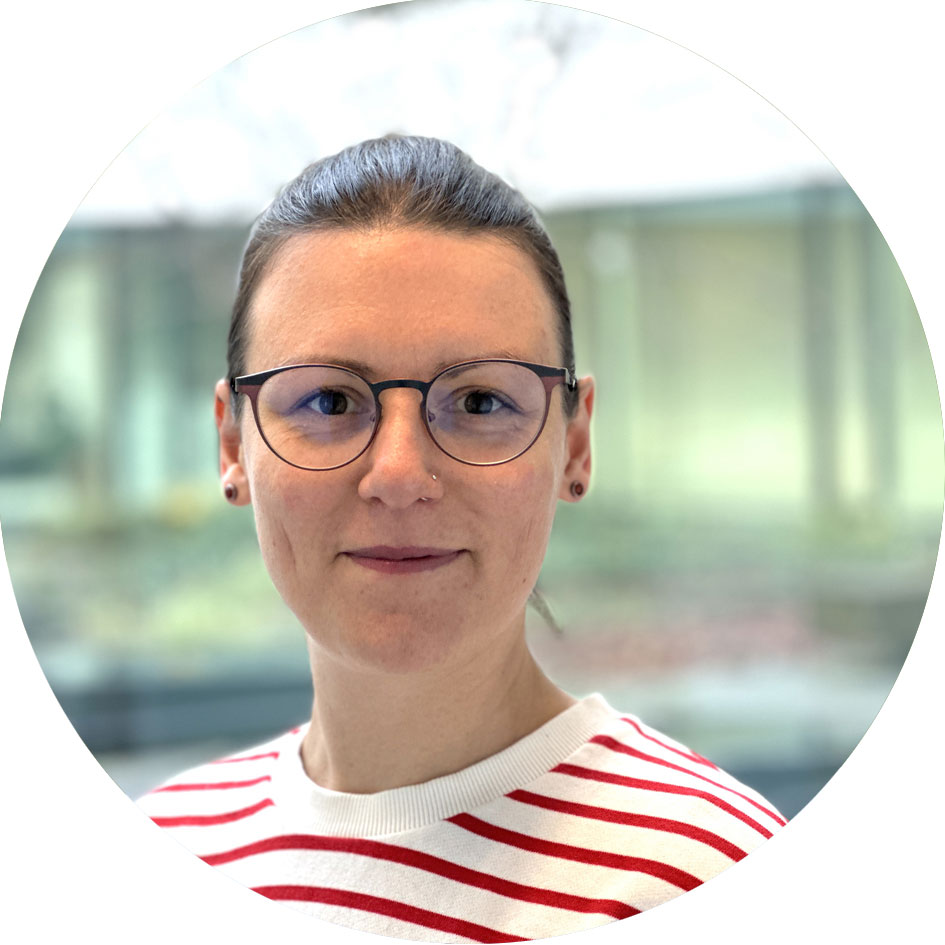
Mira Kreuzer, BSc Student
I am studying Bioinformatics (BSc) at the LMU and TUM. I am strongly fascinated by how cells within tissues interact with their environment, and for this reason I became interested in spatial biology. I joined the Spitzer lab in October 2025 for my BSc thesis. In this light, my BSc project is concerned with identifying and characterising cellular niches across the aging brain, applying neuronal network-based as well as clustering-based tools. When I am not studying, I enjoy the local countryside and dancing Flamenco.

Josef Salg, MSc Student
I earned my B.Sc. in Data Science from the University of Marburg in 2023, and I’m now completing an M.Sc. in Mathematics in Data Science at the Technical University of Munich. My background is largely in natural language processing (NLP), but I aspire to work in computational biology and AI-driven medicine. I’m still hopeful that data science can do some good, and I’m trying to contribute to that. My master’s thesis at Spitzer Lab focuses on integrating spatial omics datasets. In my spare time, I’m either moving (running, tennis, football, gym) or catching up with family and friends.
Alumni:
Deniz Fettahoglu, MSc Student
Katia Berr, PhD Student
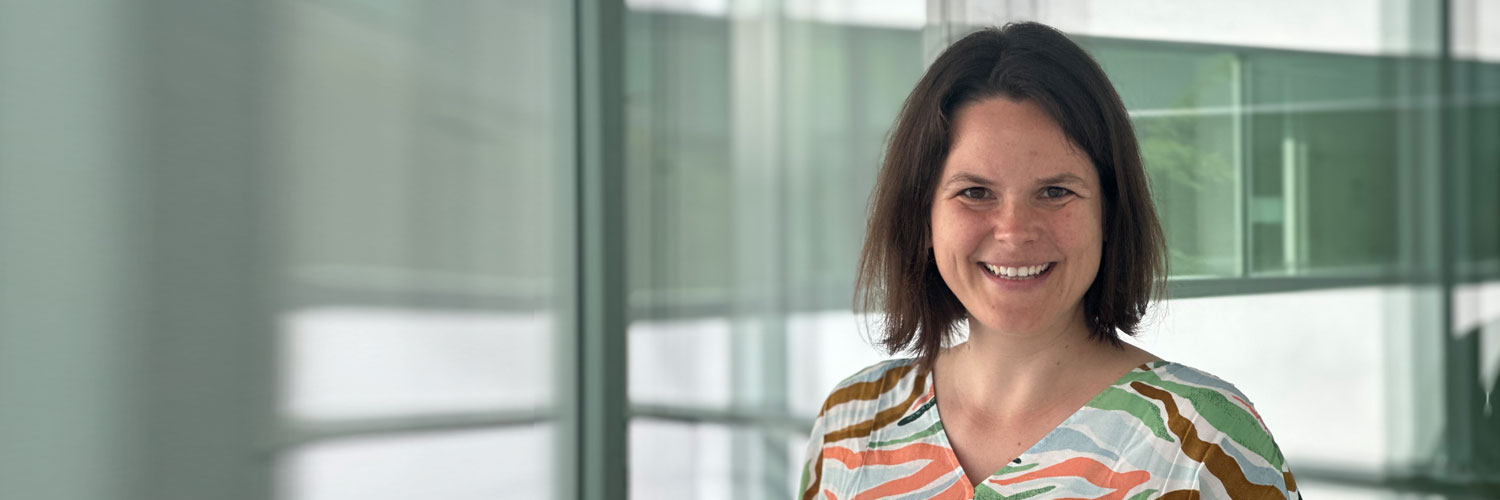
My research focus is on using machine learning algorithms to extract meaningful insights from biomedical image data and integrating them with molecular measurements. My work involves exploring supervised, self-supervised, and unsupervised approaches to tackle representation learning, classification, segmentation, and forecasting tasks in neuroscience, computational biology and medical applications. Close collaborations with biologists, medical researchers, and clinicians have enabled me to have a good understanding of the needs of these communities when it comes to usability and applicability of machine learning models.
In 2023 I joined the ISD to establish my own team focussing on integrating and analysing multimodal and multiscale brain datasets with advanced machine learning methods. The goal of my lab is to bring new advancements in data analysis and machine learning from computational biology and computer vision to neuroscientific data to advance our understanding of disease mechanisms.
Scientific career
2023 – now Research group leader, Institute of Stroke and Dementia Research, LMU, Germany & associated research group leader, Computational Health Center, Helmholtz Munich, Germany
2019 – 2023 Postdoctoral researcher, Institute of Computational Biology,
Helmholtz Munich, Germany, Prof F Theis
2019 visiting researcher at University College London, UK, Prof. J. Ashburner (2 months)
2018 visiting researcher at Montreal Neurological Institute, McGill University, Canada, Prof. A. Evans (1 month)
2015 – 2020 PhD in Computer Science, Prof. S. Harmeling and Prof K. Amunts, Heinrich-Heine University Düsseldorf, Germany and Research Center Jülich, Germany; “Automatic Analysis of Cortical Areas in Whole Brain Histological Sections using Convolutional Neural Networks”
2013 – 2015 Masters in Computer Science, RWTH Aachen, Germany
2009 – 2013 Bachelors in Computer Science, RWTH Aachen, Germany
2025
2024
2023
2022
2020
Dr. Hannah Spitzer
Tel: +49-89-4400-46173
hannah.spitzer@med.uni-muenchen.de