• Zum Hauptinhalt springen
  • Zum Footer springen
  • LMU Munich
  • University Hospital

ISD Research

  • Our Labs
    • Dichgans Lab
    • Bernhagen Lab
    • Simons Lab
    • Liesz Lab
    • Ewers Lab
    • Paquet Lab
    • Plesnila Lab
    • Erturk Lab
    • Wahl Lab
    • Duering Lab
    • Benakis Lab
    • Franzmeier Lab
    • Georgakis Lab
    • Jäkel Lab
    • Spitzer Lab
    • Tiedt Lab
  • News
  • Publications
  • About us
    • How to get there
    • Scientific Advisory Board
    • Management
    • Media 
    • Diversity at the ISD
    • ISD Photos 
  • Support
  • Open positions
  • For Patients
  1. ISD Research
  2. News

News

Advanced Clinician Scientist Program funded

January 2026 – ISD Investigators have secured major funds from Germany’s Federal Ministry of Research, Technology and Space (to strengthen clinician-led, translational neuroscience research. PROMISE (program for comprehensive neuroscience) will support 12 competitively selected Advanced Clinician Scientists, helping them combine clinical work with research through protected time, mentoring, and structured qualification measures – aiming to accelerate the transfer of new findings into patient care >>.

New blood test enables brain injury monitoring after stroke

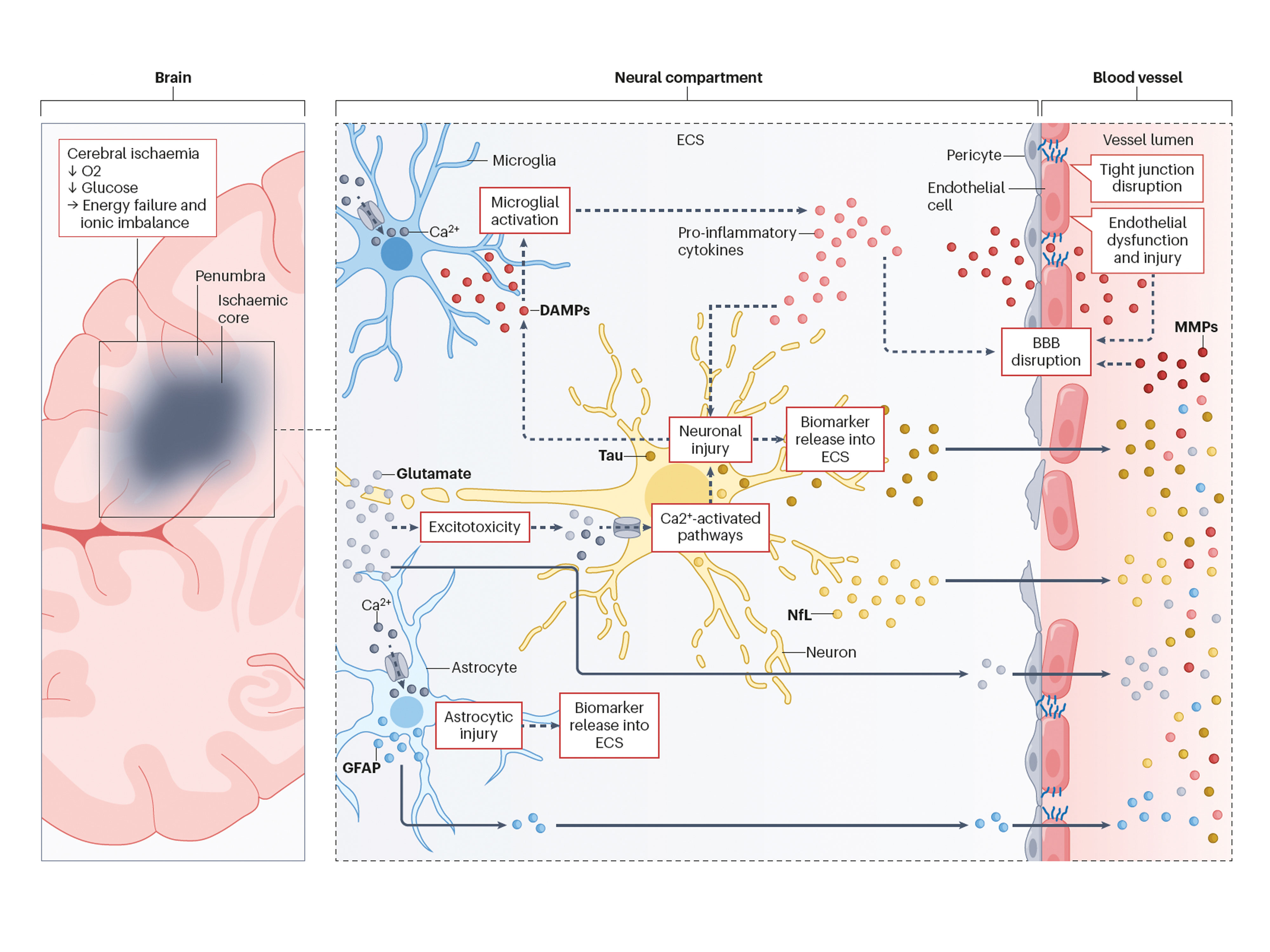

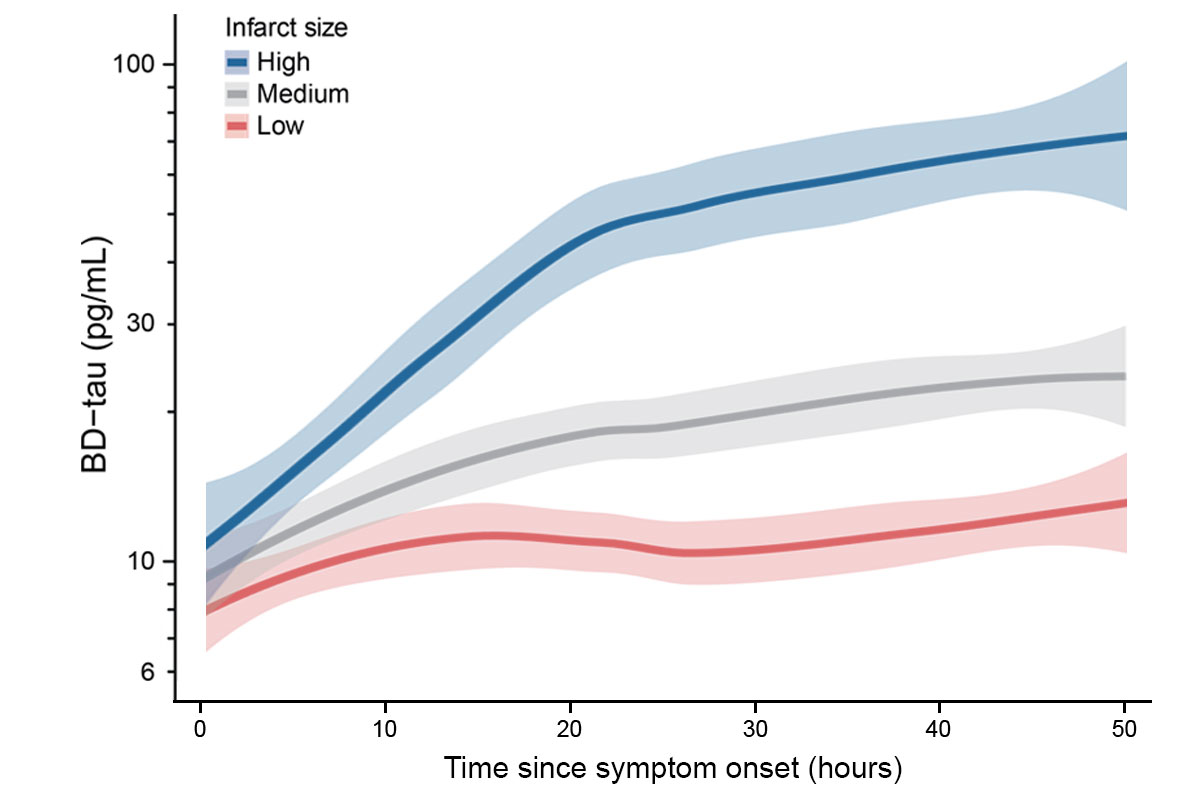
January 2026 – Stroke is a medical emergency with rapidly evolving brain injury. But unlike other organs, the brain lacks a blood test to monitor acute injury. ISD researchers and international partners report that a new blood biomarker, brain-derived tau (BD-tau), can track brain injury after ischemic stroke, predict outcomes years later and reflect treatment effects. Now published in Science Translational Medicine! >>

FOXF2 Protects Brain Vessels by Sustaining Tie2 Signaling

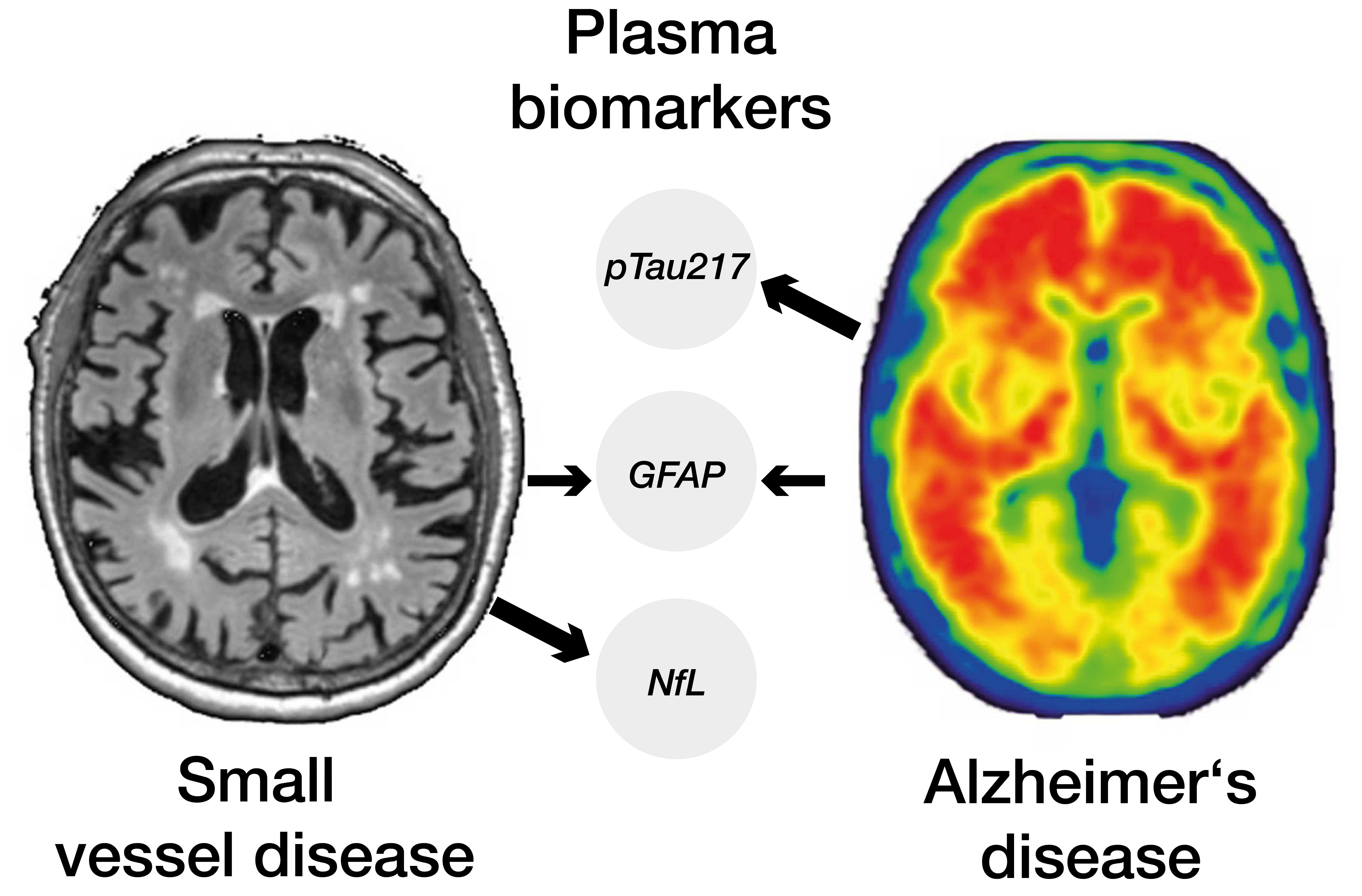
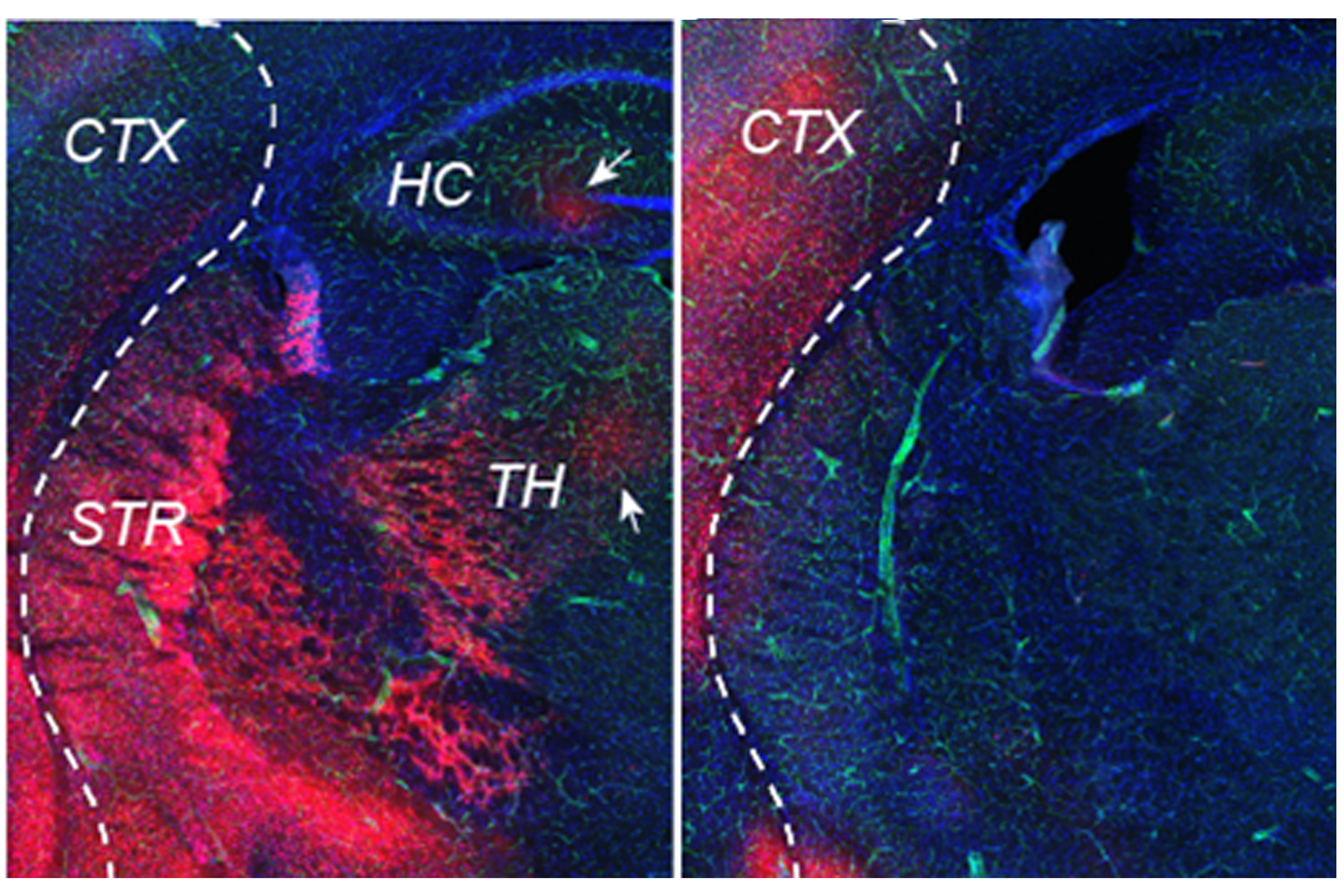
December 2025 – Small vessel disease (SVD) is a major cause of stroke, yet its molecular drivers remain elusive. ISD researchers now show that the stroke-risk gene FOXF2 is essential for maintaining healthy brain vessels by sustaining Tie2 signaling in endothelial cells. Loss of FOXF2 disrupted endothelial function, impaired blood–brain barrier integrity, and worsened outcomes after experimental stroke. Activating Tie2 with AKB-9778 rescued these deficits. The findings identify FOXF2–Tie2 signaling as a critical pathway in SVD and highlight a promising therapeutic target. >>

A Human 3D Model of the BBB Sheds Light on Neurovascular Diseases

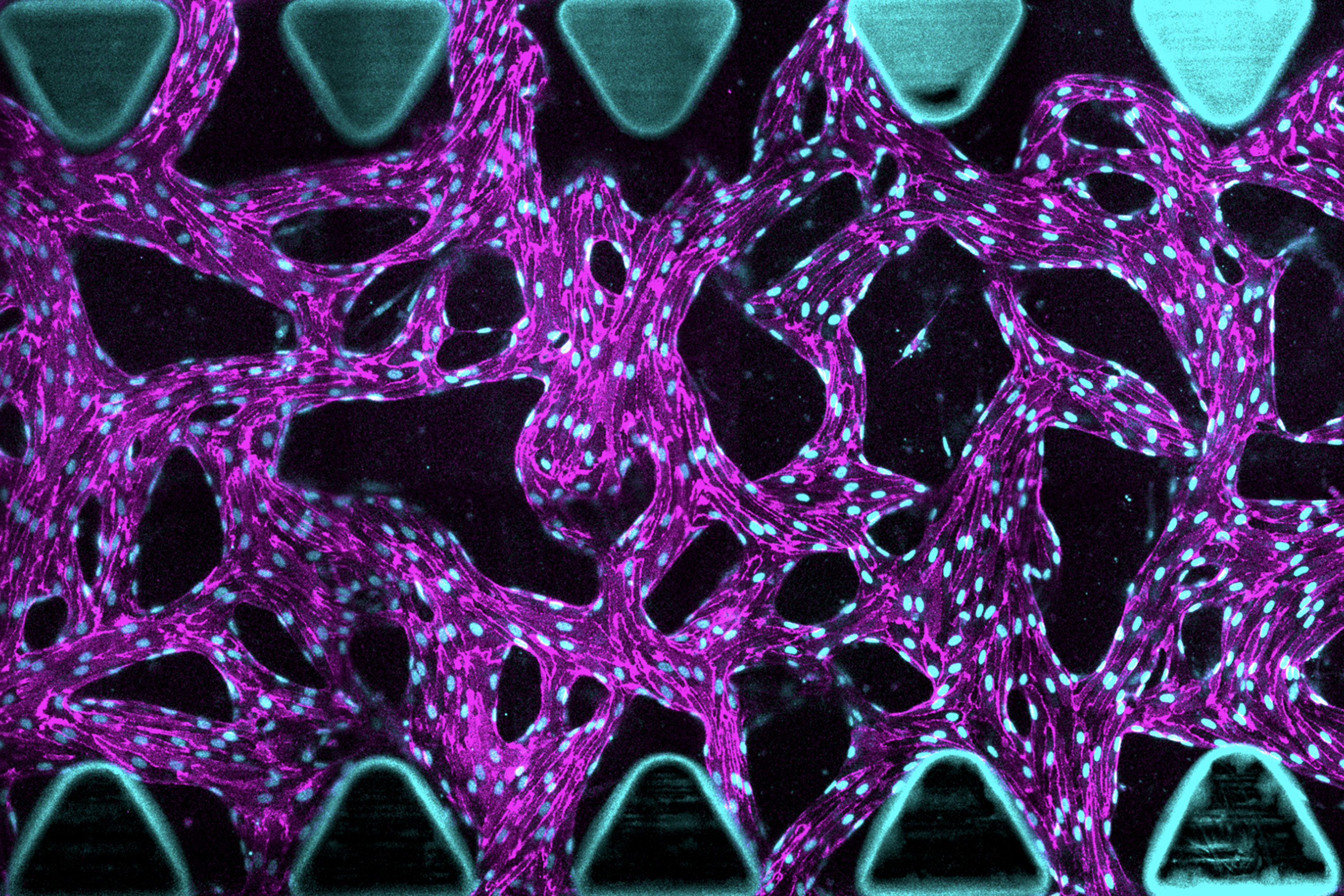
December 2025 – Maintaining a functional blood–brain barrier (BBB) is crucial for brain function, but human models are needed to better understand human disease. ISD researchers developed a human BBB model from stem cells that recreates key features of brain vasculature and allows investigating disease mechanisms and therapeutic interventions. When they inactivated the stroke-risk gene FOXF2 in the BBB, the barrier became dysfunctional, which they could alleviate using an LNP-based treatment. >>

ERC Starting Grant for Arthur Liesz

ERC Consolidator Grant for Arthur Liesz

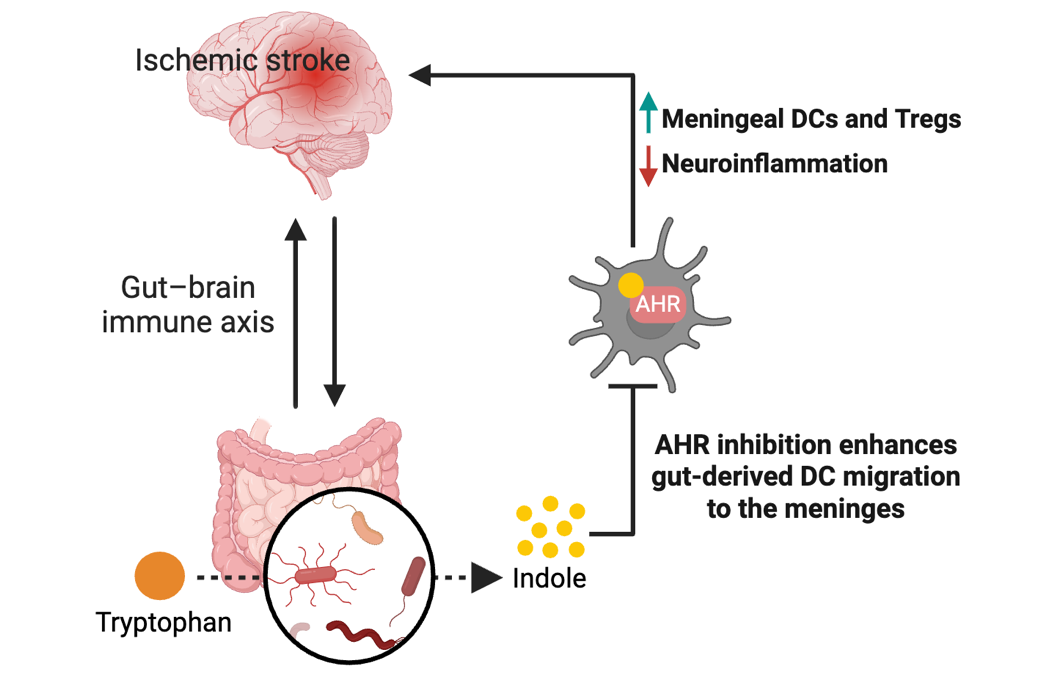
December 2025 – The European Research Council has awarded a prestigious 2-million-euro Consolidator Grant to support TRAINED, a project led by Arthur Liesz that investigates how maladaptive trained immunity drives systemic inflammation and multimorbidity after stroke and myocardial infarction. Combining advanced multi-omics, innovative models and human validation, the project aims to uncover new therapeutic strategies. >>

New Collaborative Research Center approved by DFG

November 2025 – The Senate of the German Research Foundation has approved funding of a new CRC on “Compartmentalized Cellular Networks in Neurovascular Diseases”. CRC 1744 aims to uncover the causes of Neurovascular Diseases and to pave the way for novel therapeutic strategies. The CRC is jointly coordinated by Martin Dichgans and Arthur Liesz and involves multiple investigators from ISD and SyNergy with representation of LMU, TUM, and Helmholtz Munich. >>

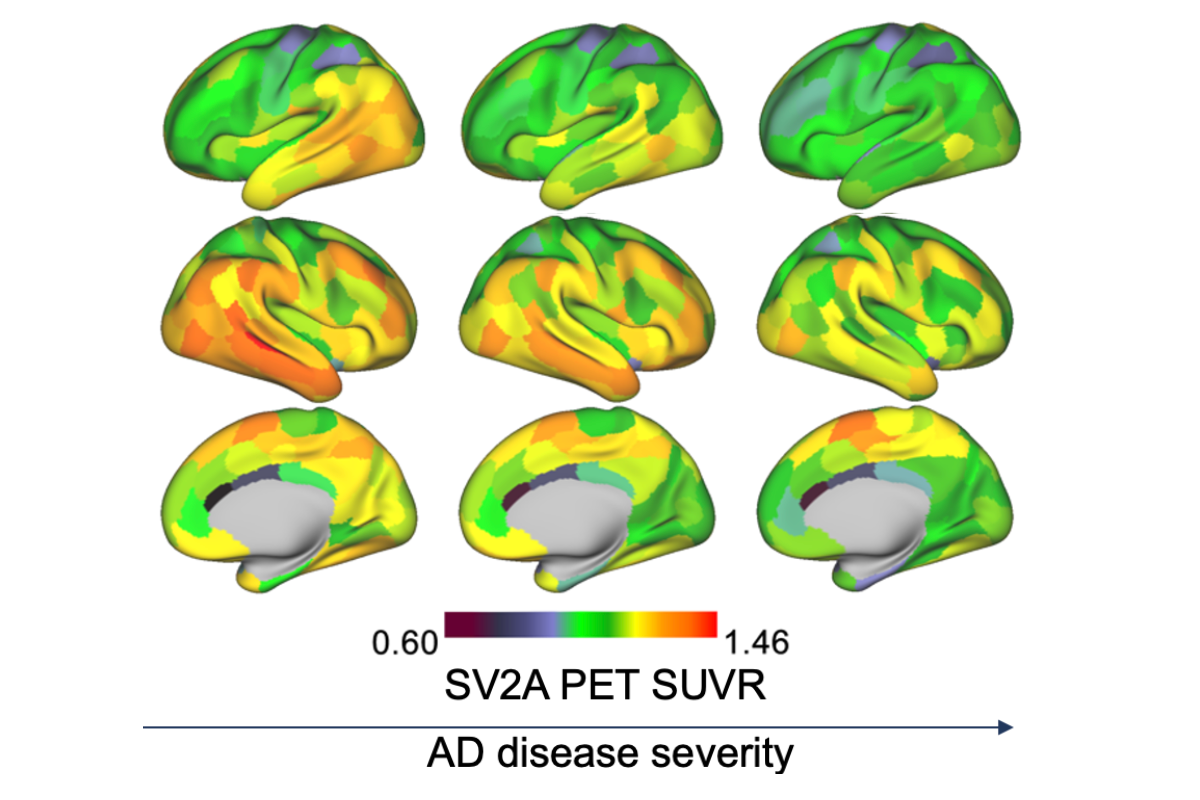
Synaptic density associated with tau pathology in AD

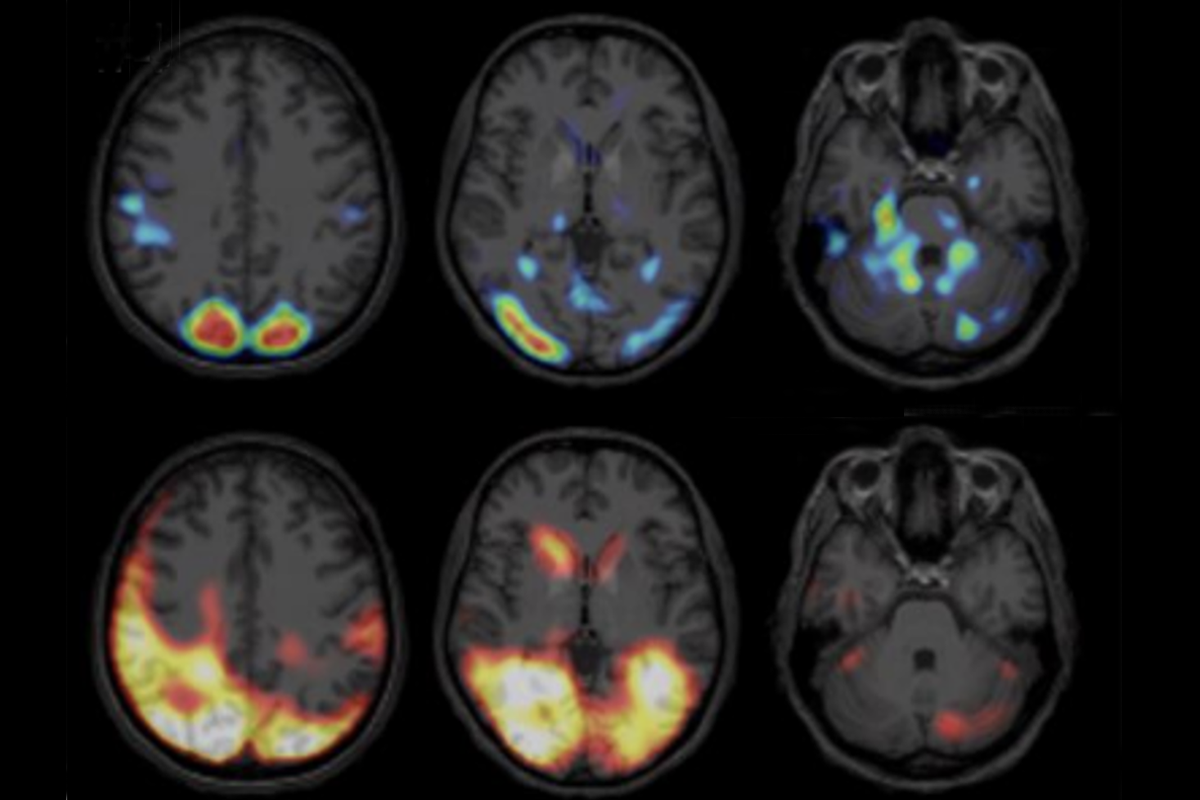
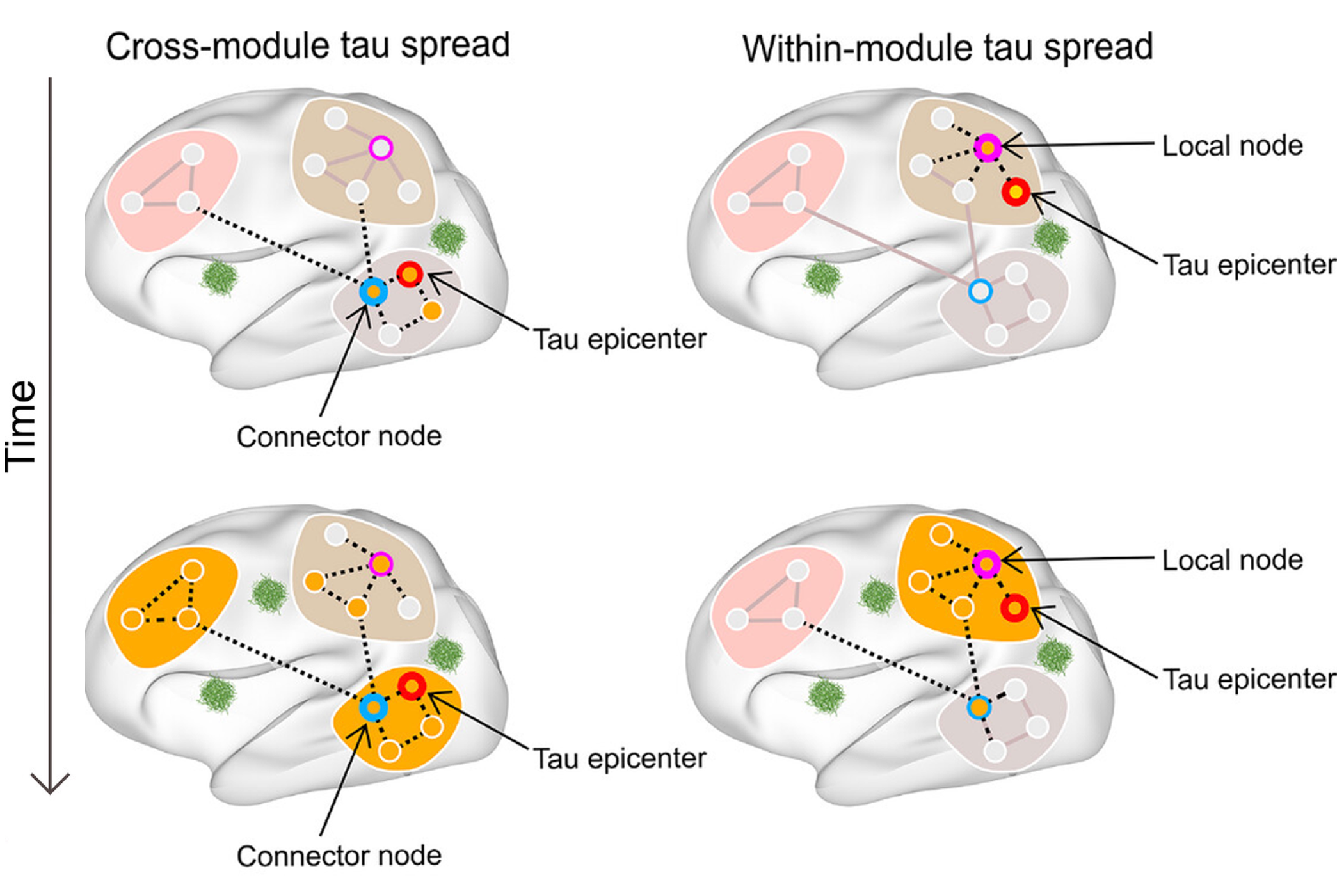
November 2025 – Synapses are not only essential for information transfer but also potential gateways for the spread of pathogenic processes in the brain. A study by ISD investigators found brain regions with high synaptic density to be particularly vulnerable to accumulating pathological tau in patients with Alzheimer’s disease. Moreover, tau accumulation was associated with downstream synaptic loss in connected regions, suggesting that synapses play a central role in tau-related neurodegeneration. >>

Martin Dichgans among "Highly Cited Researchers 2025"

November 2025 – Of the world’s population of scientists, Highly Cited Researchers™ are 1 in 1,000. The current list from Clarivate identifies researchers who demonstrated significant influence in their field through the publication of highly cited papers. >>

First PI-2620 Tau-PET Symposium

October 2025 – Organized by the ISD and Dept. of Nuclear Medicine (LMU Hospital) along with Life Molecular Imaging (LMI), a Lantheus Company, this 2-day symposium (October 16-17) unites leading researchers and clinicians to explore tau PET imaging - from disease mechanisms to clinical use - offering a platform to share insights, present new data, and foster collaboration advancing tau PET research in Germany.

Tau deposits in Alzheimer’s linked to degeneration of white matter networks

September 2025 – A new study published in Brain, led by Nicolai Franzmeier at the ISD, shows that cortical tau deposits in Alzheimer’s disease trigger degeneration of directly connected white matter tracts. These findings demonstrate how tau pathology disrupts structural brain networks, providing key insights into Alzheimer’s progression. >>

Key risk factors for post-stroke dementia uncovered

September 2025 – Front line results from the DZNE-funded multicenter DEMDAS study identify metabolic syndrome and reduced HDL cholesterol as novel, modifiable risk factors for post-stroke dementia, and reveal distinct profiles for early- and delayed-onset cases, highlighting new opportunities for targeted prevention. >>

IL6 genetic perturbation mimicking IL-6 inhibition is associated with lower cardiometabolic risk

September 2025 – The team of Marios Georgakis used an IL6 genetic instrument to mimic IL-6 inhibition in over 500,000 individuals, showing reduced risks of coronary and peripheral artery disease and ischemic stroke without infection concerns— lowering pneumonia hospitalizations—supporting IL-6 inhibitors under development in ongoing cardiovascular trials.>>

 Astrid Eckert / TUM

Mikael Simons Awarded Grant from the “Tauopathy Challenge Workshop 2025” Funding Program

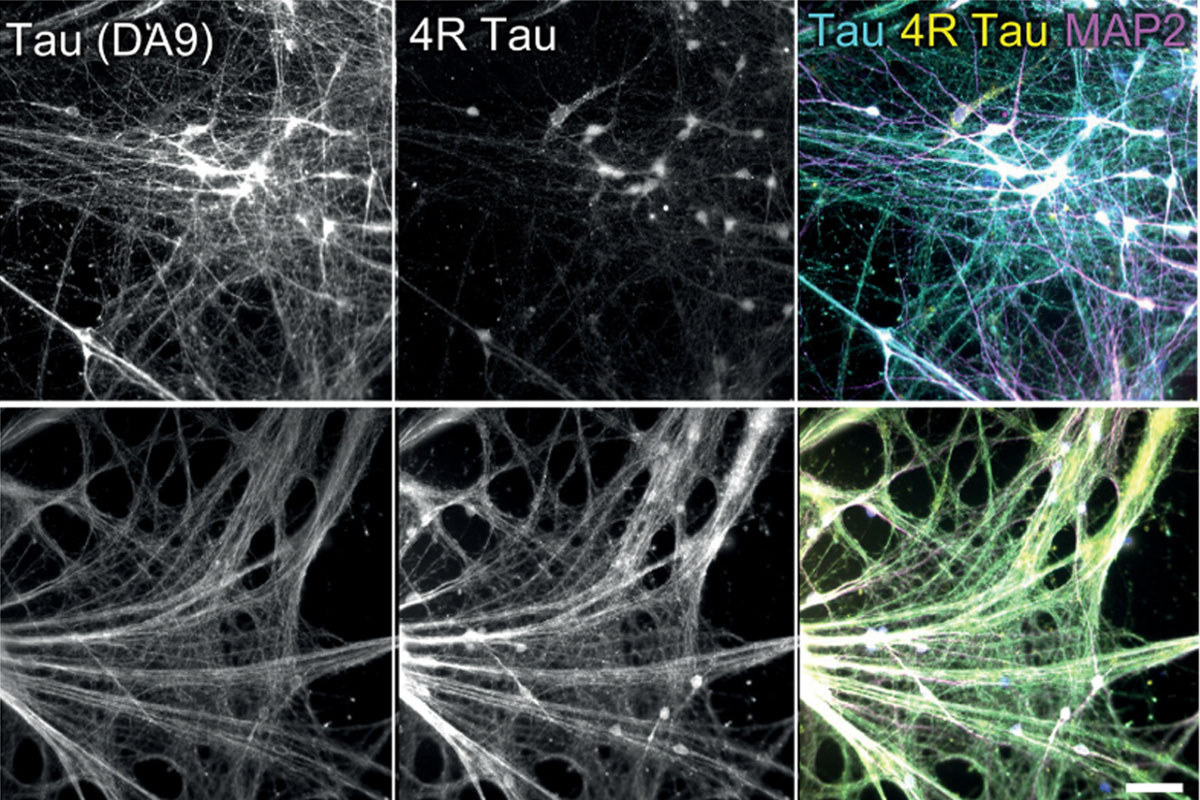
September 2025 – Mikael Simons receives US$500,000 for a project to investigate disease mechanisms involving so-called tau proteins. The funding is part of the international program „Tauopathy Challenge Workshop 2025“, which supports research projects aimed at understanding and treating tau-associated diseases such as Alzheimer's disease. >>

Connectivity as a universal predictor of tau progression in atypical Alzheimer’s disease

August 2025 – A multi-center study led by Nicolai Franzmeier (ISD) and Rik Ossenkoppele (Amsterdam UMC) compiled the to date largest biomarker and post-mortem dataset on atypical Alzheimer’s disease, showing distinct tau onset sites and network-based spread, supporting trans-neuronal tau propagation and informing personalized medicine and trial endpoints.

ISD Research Retreat

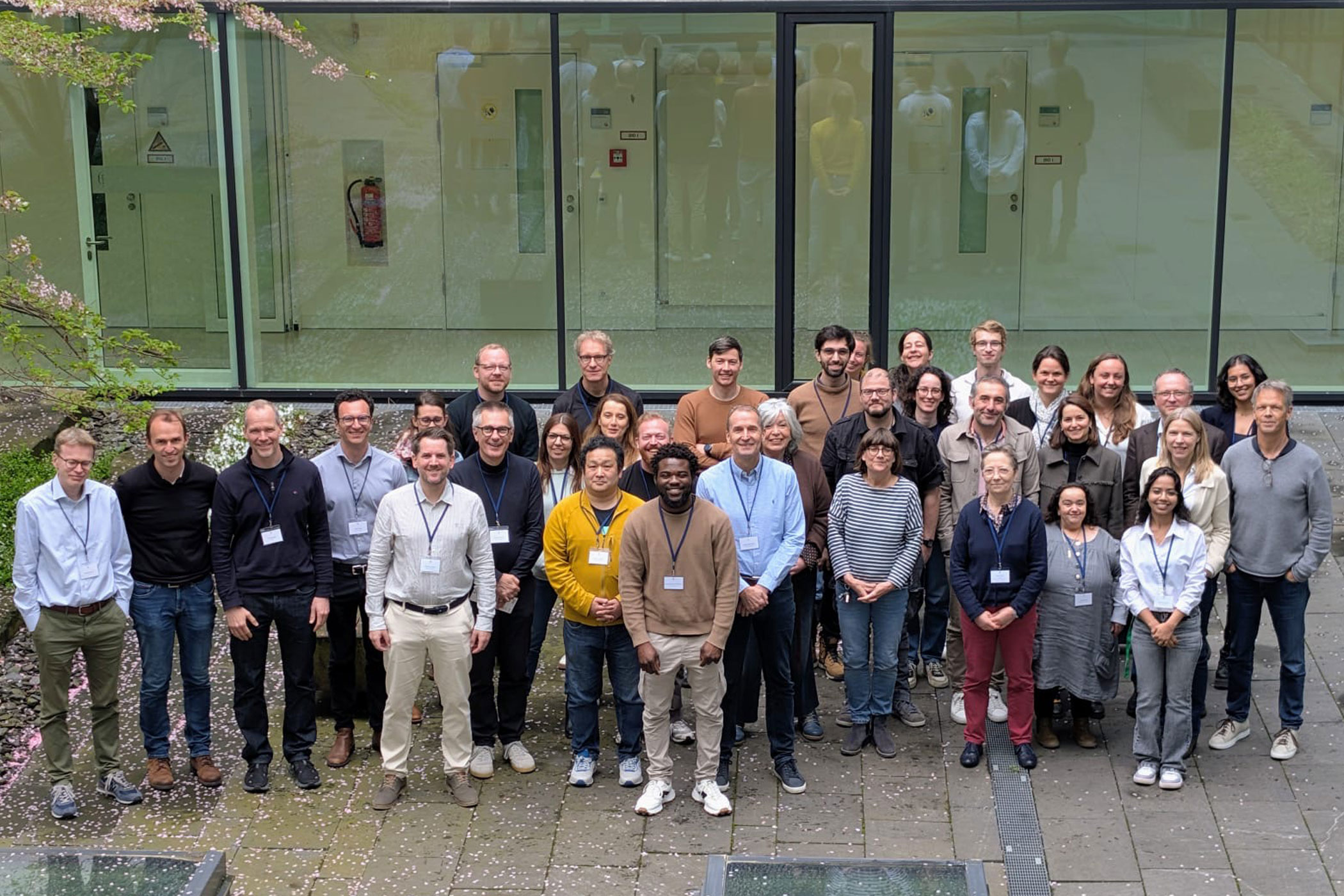
July 2025 – ISD research teams met at the Ammersee for the annual scientific retreat to present their projects and discuss science. Besides presentations from Ph.D. students, a poster session, invited speaker talks, three minute thesis competition there were some amazing presentations about using AI and LLMs. The meeting further served as an opportunity to familiarize people with the medium- and long-term strategy of ISD.

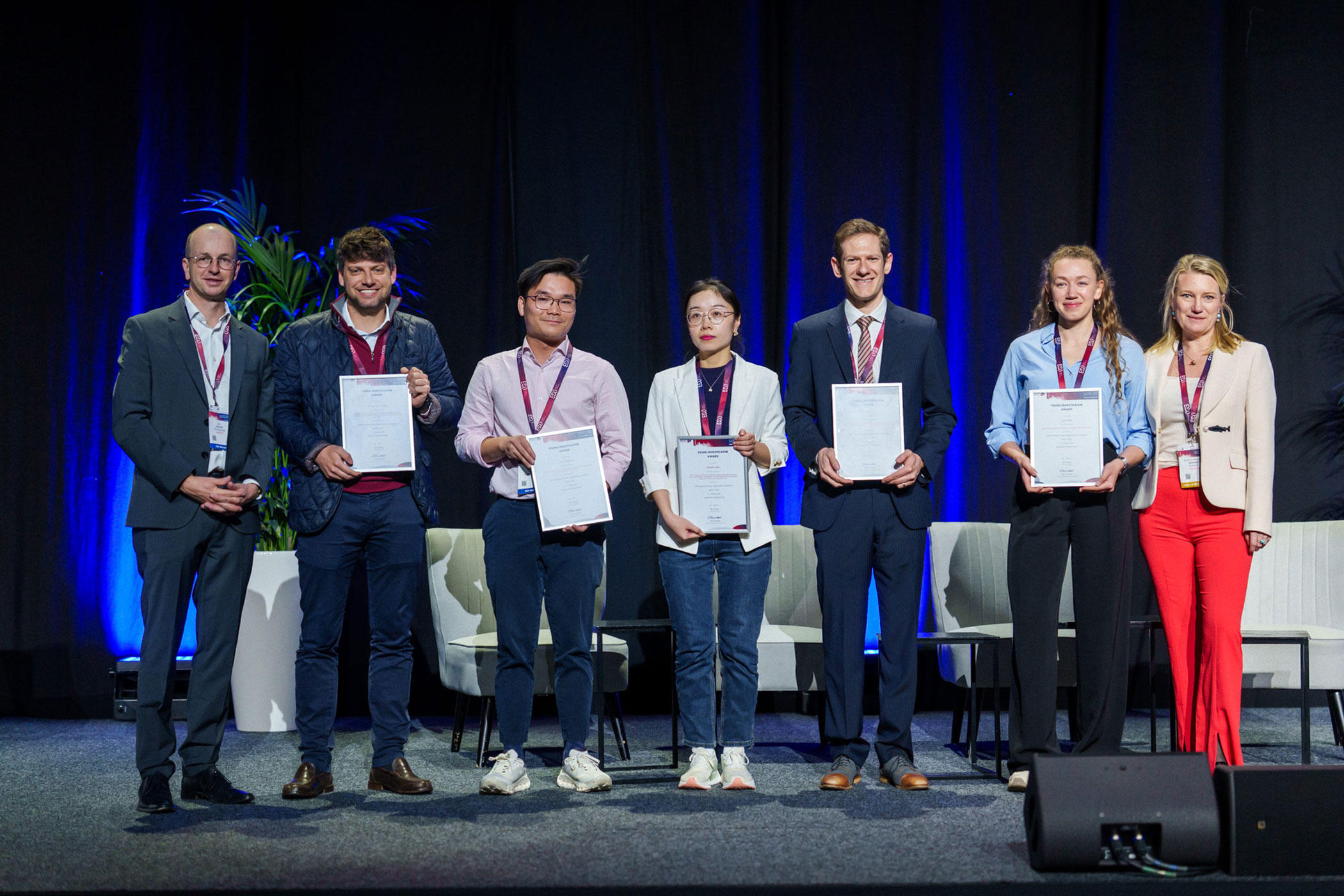
ESO Scientific Award 2025 for Arthur Liesz

June 2025 – Arthur Liesz received the prestigious ESO Scientific Excellence Award for his contributions to the understanding of stroke and neurovascular disease. The award was delivered in the Presidential Session at the European Stroke Organisation Conference (ESOC 2025) in Helsinki. Arthur Liesz’ research focuses on brain-immune interactions after acute brain injuries. >>

SyNergy Cluster receives funding for the next 7 years.

May 2025 – The Munich Cluster for Systems Neurology (SyNergy) has been awarded a third funding period (2026-2032) by the DFG. The decision was announced on Thursday May 22nd and followed a competitive review within the framework of the German Excellence Initiative. “We are excited about the outcome and the opportunities that lie ahead of us”, says Martin Dichgans, one of the future spokespersons of the Cluster. >>


Microstrokes impair spatial memory and place cell stability

April 2025 – Using chronic 2-photon imaging in-vivo, Anna-Sophia Wahl and her team tracked the fate of individual neurons involved in spatial memory before and after multiple, distributed microstrokes. Network stability predicted cognitive outcomes, highlighting targets for preventing post-stroke cognitive decline. >>

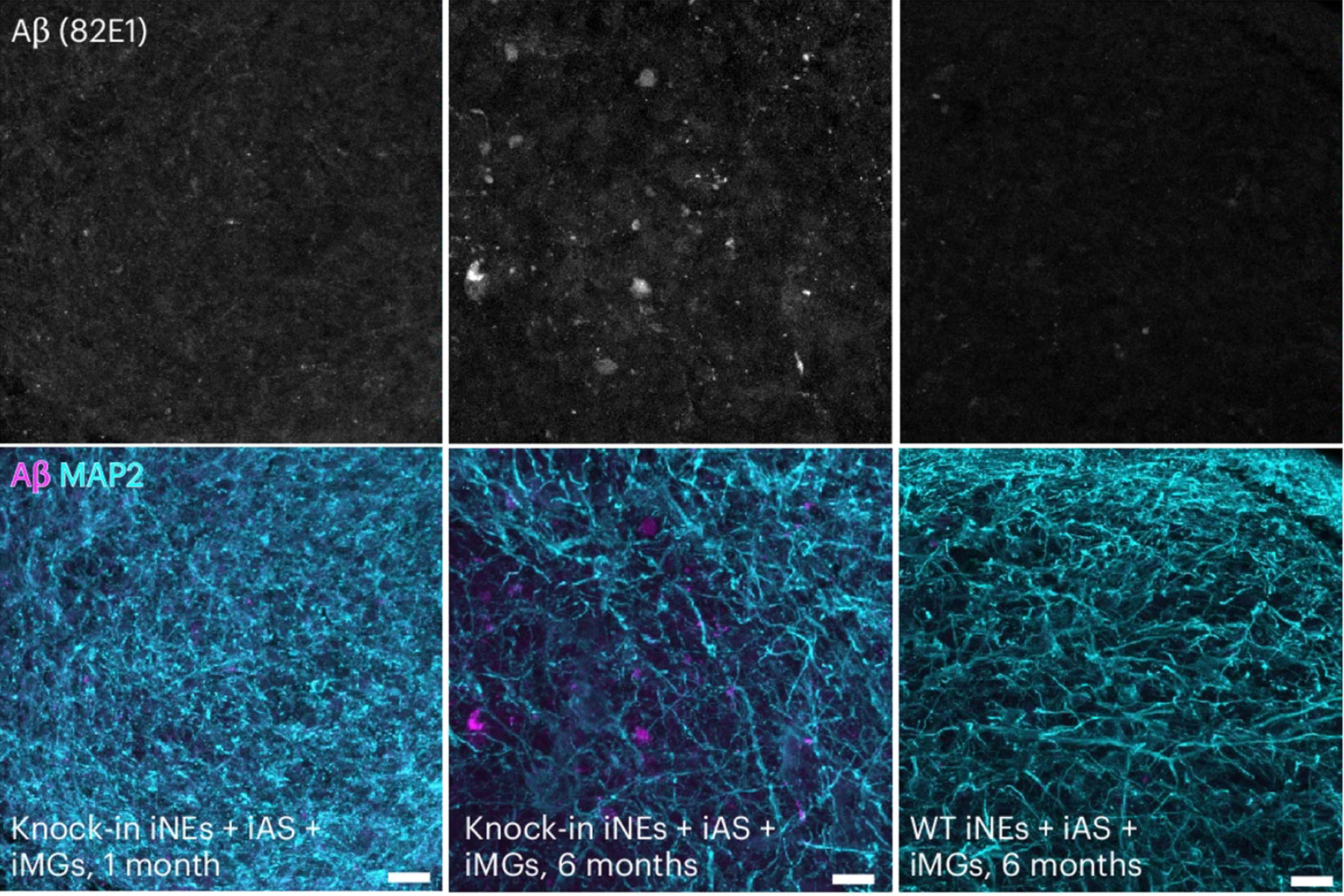
Dominik Paquet receives funding from the Alzheimer Forschung Initiative

April 2025 – In an effort to develop novel therapeutic strategies for the treatment of Alzheimer’s disease, ISD investigators recently were awarded a project grant on “Reprogrammed microglial cells as a therapeutic approach against Alzheimer's Disease” that will run for three years. The project capitalizes on microglia, a cell type that is centrally involved in the pathogenesis of Alzheimer’s disease. >>

Alpha-synuclein co-pathology promotes tau accumulation in Alzheimer’s disease

March 2025 – In a collaborative study, ISD researchers found that Alpha-synuclein co-pathology is more common in advanced AD and accelerates tau aggregation and cognitive decline. This underscores the need to consider αSyn in AD research and treatment strategies, particularly in amyloid-driven tau pathophysiology. >>

An atypical chemokine that links atherosclerosis and metabolic disease

March 2025 – Fatty liver disease exacerbates atherosclerosis, but the mechanisms are incompletely understood. A new collaborative study led by ISD investigators identifies D-dopachrome tautomerase (D-DT/MIF-2) as an atypical chemokine that promotes both atherosclerosis and hepatic lipid accumulation. The researchers also define the underlying receptor mechanism >>

The HDAC9 risk locus controls inflammasome activation in atherosclerosis

January 2025 – Common genetic variants in a cis-regulatory element at HDAC9 are associated with atherosclerotic phenotypes including stroke and myocardial infarction. ISD investigators now defined a mechanism whereby HDAC9 regulates activation of the NLRP3 inflammasome and developed a targeted anti-inflammatory approach for treating atherosclerosis. >>

Aβ promotes tau spreading by eliciting neuronal hyperconnectivity

January 2025 – A study led by ISD researchers suggests a key mechanistic link between Aβ and tau accumulation in Alzheimer’s disease, showing that Aβ induces neuronal hyperconnectivity, thereby promoting the spread of tau pathology across interconnected brain regions. >>

News Archive >>

Follow us on Bluesky: @isd-research.bsky.social

Follow us on Instagram: @isd_research

News Archive

Contact

Institute for Stroke and Dementia Research (ISD)
University Hospital, LMU Munich

Director: Prof. Dr. med. Martin Dichgans

Feodor-Lynen-Straße 17
81377 Munich, Germany

Phone: +49 (0)89 4400 46019
www.isd-research.de

Send a Mail

Partners

Neurologische Klinik und Poliklinik der Universität München, LMU Klinikum

DZNE – Deutsches Zentrum für Neurodegenerative Erkrankungen

SyNergy – Munich Cluster for Systems Neurology

Links

  • Our Labs
  • News
  • Publications
  • Open Positions
  • ISD for Patients
  • How to get there
  • Imprint
Editor login
  • Contact
  • Imprint
  • Privacy Policy
2026 © Institute for Stroke and Dementia Research (ISD)