Alzheimer's disease is characterized by the accumulation of two key proteins in the brain: amyloid-beta and tau. Amyloid accumulation typically occurs earlier and promotes the subsequent development of tau pathology, which is more closely associated with cognitive decline. However, individuals with similar levels of amyloid can show substantial differences in tau accumulation and disease progression. While genetic factors are known to influence Alzheimer's disease risk, it remains unclear which specific biological pathways contribute to this variability. In particular, the mechanisms linking genetic susceptibility to the relationship between amyloid and tau pathology are not fully understood. Identifying these mechanisms could help explain differences in disease progression and reveal new biological targets for therapeutic intervention.
The researchers combined genetic data from large-scale genome-wide association studies to identify Alzheimer's-related genetic variants and map them to specific biological pathways. They developed pathway-specific polygenic risk scores (pPRSs) and investigated their relationship with amyloid and tau accumulation in 441 participants from the Alzheimer's Disease Neuroimaging Initiative (ADNI) and 250 participants from baseline data of the A4 study on Solanezumab, an anti-amyloid immunization drug. Brain pathology was assessed using amyloid and tau PET imaging, including longitudinal measurements of tau PET accumulation.
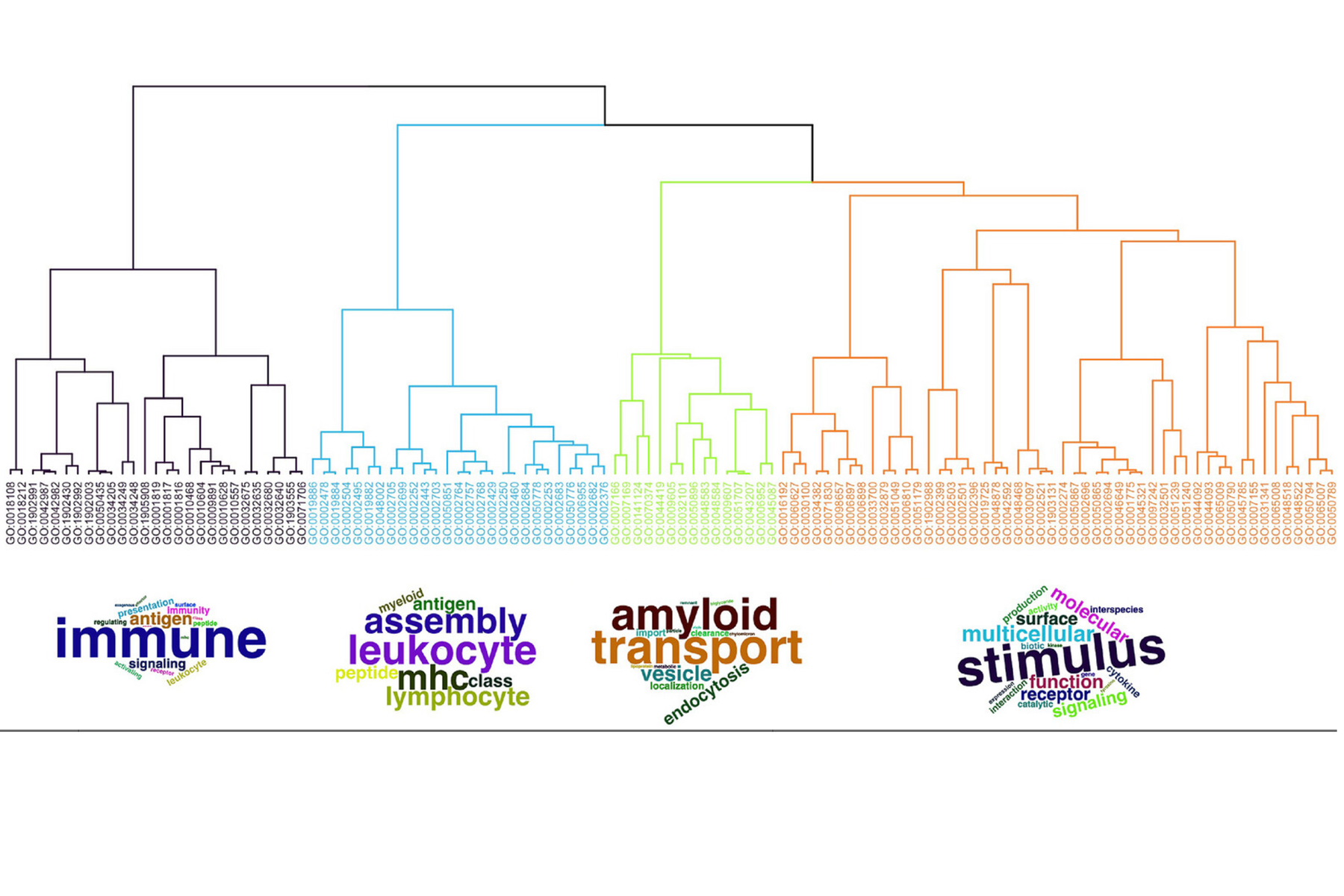
The analysis identified four biological pathways associated with Alzheimer's disease risk: adaptive immune response, leukocyte activation, cellular transport, and intracellular signaling. Of these, genetic risk in cellular transport pathways showed the strongest association with amyloid-related tau accumulation. Individuals with higher transport-related genetic risk exhibited greater tau accumulation, both in early disease-related brain regions and in more advanced stages. These associations were also observed in the independent A4 cohort, particularly in early-stage tau pathology. Longitudinal analyses confirmed faster tau accumulation in participants with higher transport-related genetic risk. Exploratory analyses further suggested that these effects were more pronounced in women than in men.
The findings highlight cellular transport mechanisms as important contributors to Alzheimer's disease progression beyond established genetic risk factors such as APOE. Understanding these pathways could help identify new therapeutic targets and provide insights into individual differences in disease development.