Alzheimer’s disease (AD) and cerebral small vessel disease (SVD) frequently coexist in older adults and memory clinic patients. Both conditions can contribute to cognitive decline, yet they affect the brain through different biological mechanisms. Blood biomarkers such as phosphorylated tau 217 (ptau217), glial fibrillary acidic protein (GFAP), and neurofilament light chain (NfL) are becoming important tools for diagnosing and monitoring neurodegenerative diseases. However, it remains unclear to what extent these markers specifically reflect AD pathology or are also influenced by vascular brain damage caused by SVD. Distinguishing between these overlapping pathologies is essential for accurate diagnosis, prognosis, and treatment selection, particularly as blood-based biomarkers move closer to routine clinical use.
We analyzed plasma biomarkers, cognitive performance, and advanced MRI data from 76 memory clinic patients. Imaging measures captured both Alzheimer’s-related neurodegeneration and vascular brain injury caused by SVD. The findings were independently validated in 41 participants from the Alzheimer’s Disease Neuroimaging Initiative (ADNI), who additionally underwent amyloid- and tau-PET imaging.
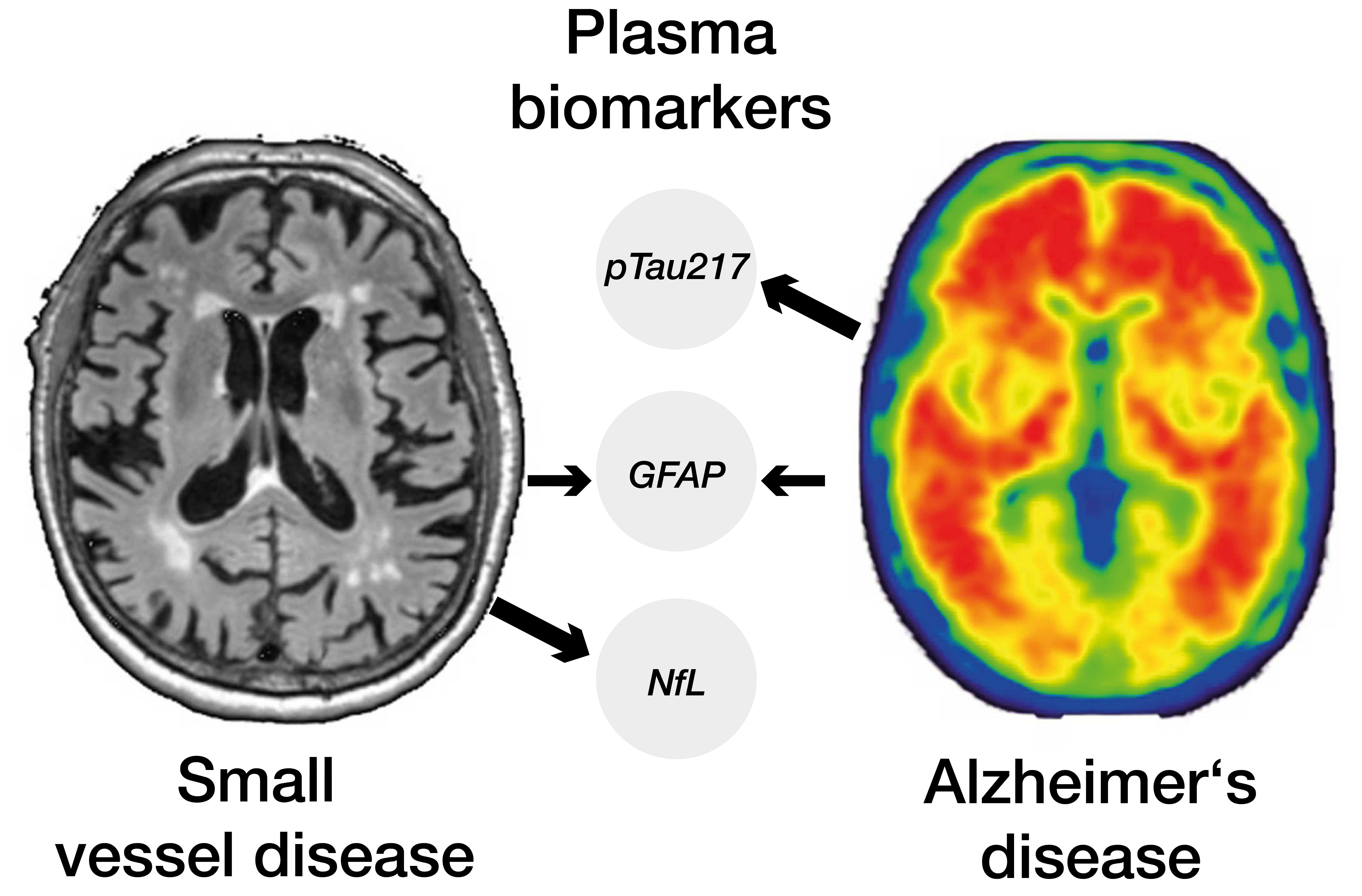
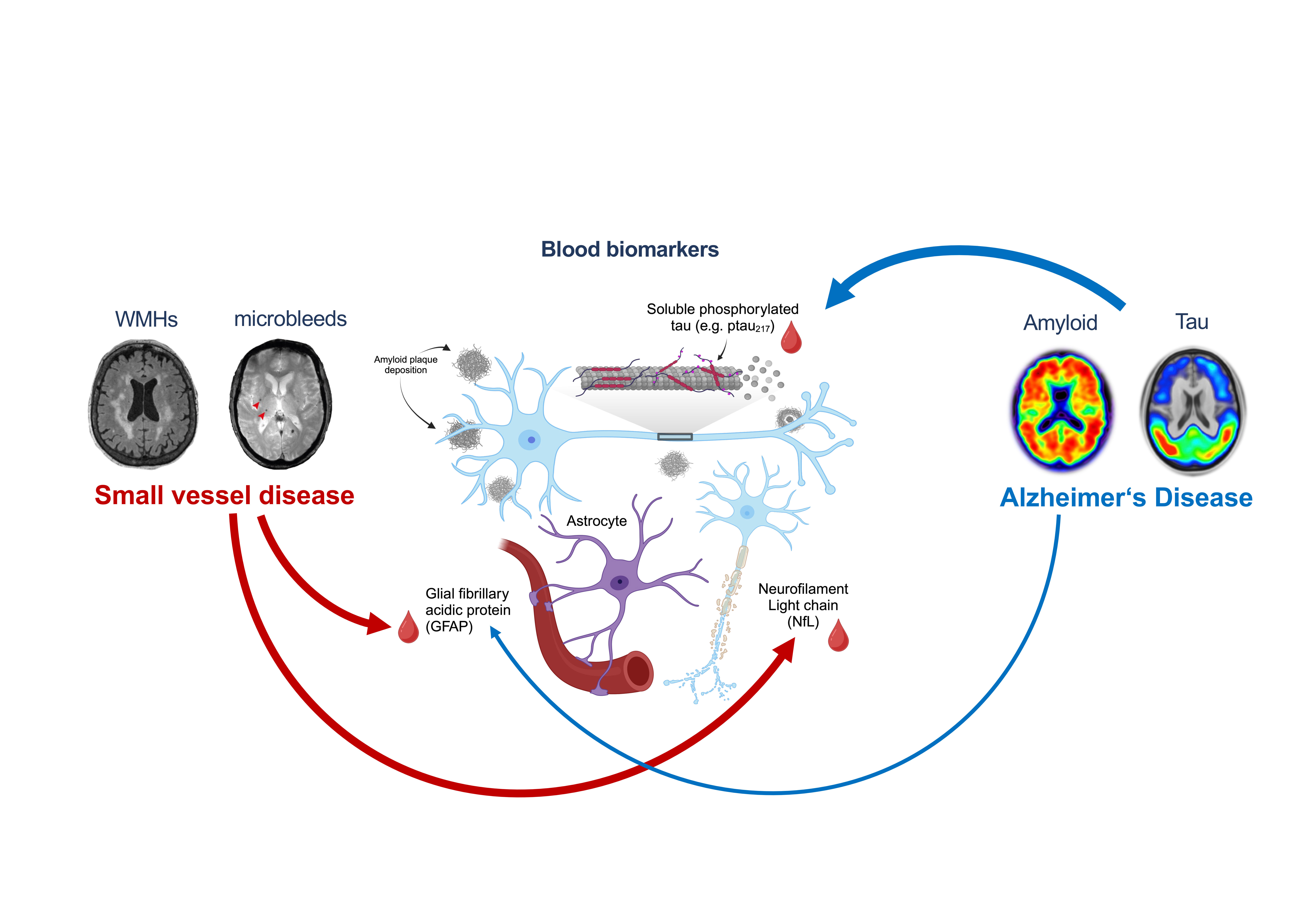
The three plasma biomarkers showed distinct associations with brain pathology. NfL was most strongly linked to SVD-related brain damage, whereas ptau217 was closely associated with Alzheimer’s-related neurodegeneration and remained the most AD-specific marker. GFAP showed associations with both disease processes, suggesting it reflects overlapping biological mechanisms. Importantly, vascular injury markers were primarily related to reduced processing speed, while Alzheimer’s-related markers were more strongly linked to memory impairment. These results were confirmed in the independent validation cohort.
Blood biomarkers provide complementary information about different causes of cognitive decline. Considering coexisting vascular pathology when interpreting plasma biomarkers may improve diagnostic precision and support more personalized treatment strategies in memory clinics.