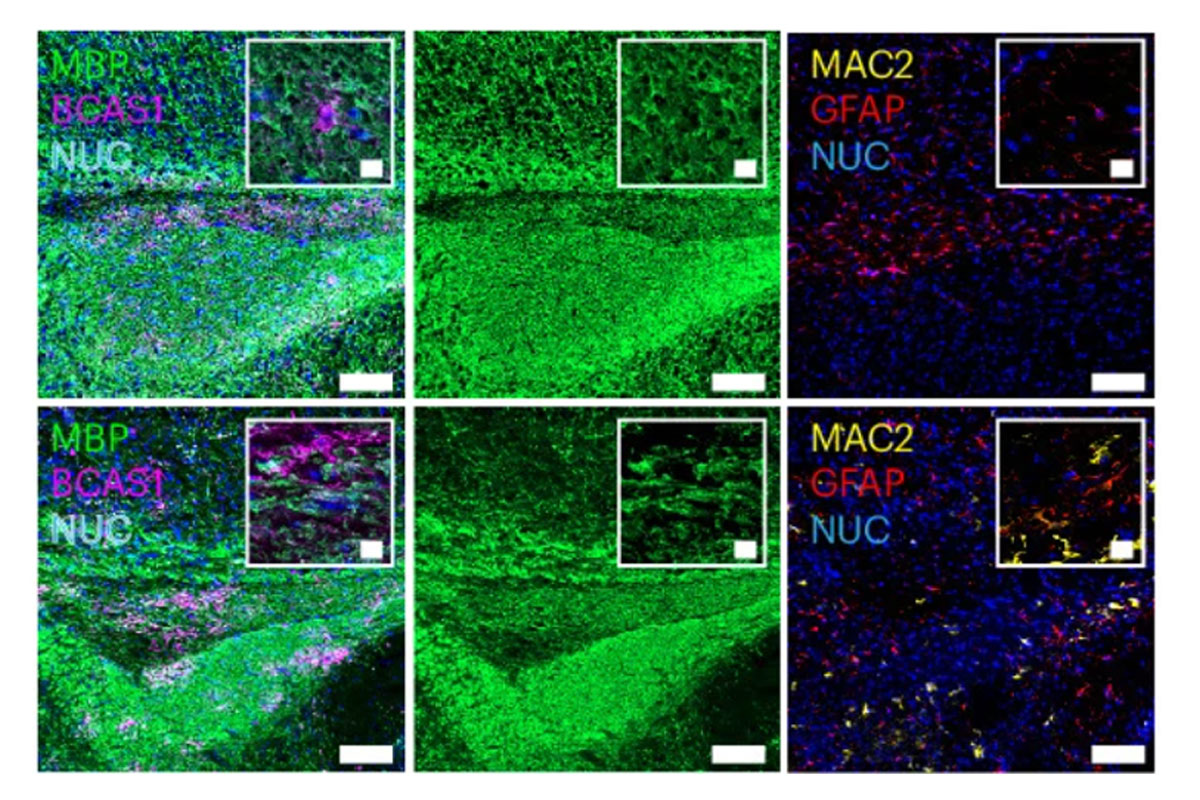
Demyelinating diseases, such as multiple sclerosis (MS), are characterized by the progressive loss of myelin, the protective sheath surrounding nerve fibres. This damage disrupts communication between nerve cells and can ultimately lead to neurological disability. Microglia, the brain's resident immune cells, play a crucial role in clearing damaged myelin and supporting tissue repair. However, while their responses to acute injury are relatively well understood, much less is known about how they adapt to chronic, progressive myelin damage. In particular, it remains unclear why microglia can lose their ability to process cellular waste effectively and instead sustain harmful inflammatory responses. Understanding these mechanisms is essential for developing treatments that promote tissue repair and prevent progressive neurodegeneration.
We compared acute and chronic demyelination in different mouse models using single-cell RNA sequencing, advanced microscopy, lipid analyses, and molecular profiling. We investigated how microglia process cholesterol and respond to persistent myelin damage. Finally, we tested whether pharmacologically targeting the cholesterol-regulating enzyme DHCR24 could restore microglial function and improve disease outcomes.
We identified a distinct population of pro-inflammatory microglia in chronic demyelination, characterized by impaired lysosomal function and abnormal cholesterol accumulation. Unlike microglia responding to acute injury, these cells failed to transfer excess cholesterol into lipid droplets, resulting in its accumulation within lysosomes. This dysfunction was associated with increased inflammatory signalling, particularly CCL4 expression. Importantly, treatment with a desmosterol-mimicking compound that inhibits DHCR24 reversed the dysfunctional microglial state, reduced inflammation and myelin damage, and improved motor performance in a mouse model of leukodystrophy.
These findings reveal a previously unrecognized link between cholesterol metabolism, lysosomal dysfunction, and chronic neuroinflammation. Targeting this pathway could open new therapeutic avenues for progressive demyelinating diseases, including multiple sclerosis.