• Zum Hauptinhalt springen
  • Zum Footer springen
  • LMU Munich
  • University Hospital

ISD Research

  • Our Labs
    • Dichgans Lab
    • Bernhagen Lab
    • Simons Lab
    • Liesz Lab
    • Ewers Lab
    • Paquet Lab
    • Plesnila Lab
    • Erturk Lab
    • Wahl Lab
    • Duering Lab
    • Benakis Lab
    • Franzmeier Lab
    • Georgakis Lab
    • Jäkel Lab
    • Spitzer Lab
    • Tiedt Lab
  • News
  • Publications
  • About us
    • How to get there
    • Scientific Advisory Board
    • Management
    • Media 
    • Diversity at the ISD
    • ISD Photos 
  • Funding
  • Open positions
  • For Patients
  1. ISD Research
  2. News
  3. test page II -

test page 

A Human 3D Model of the BBB Sheds Light on Neurovascular Diseases.

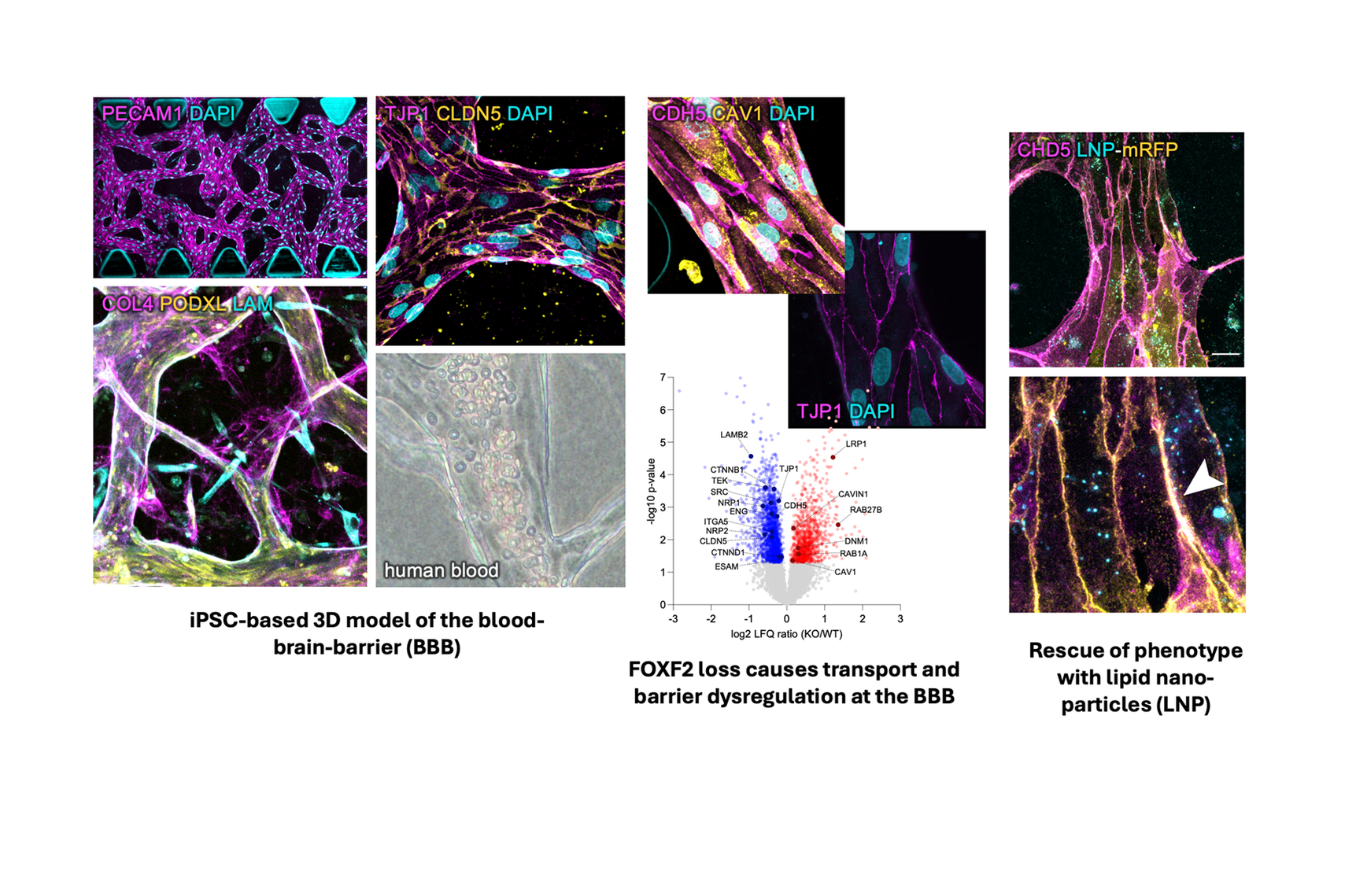
December 2025 – Maintaining a functional blood–brain barrier (BBB) is crucial for brain function, but human models are needed to better understand human disease. ISD researchers developed a human BBB model from stem cells that recreates key features of brain vasculature and allows investigating disease mechanisms and therapeutic interventions. When they inactivated the stroke-risk gene FOXF2 in the BBB, the barrier became dysfunctional, which they could alleviate using an LNP-based treatment.
FOXF2 Protects Brain Vessels by Sustaining Tie2 Signaling

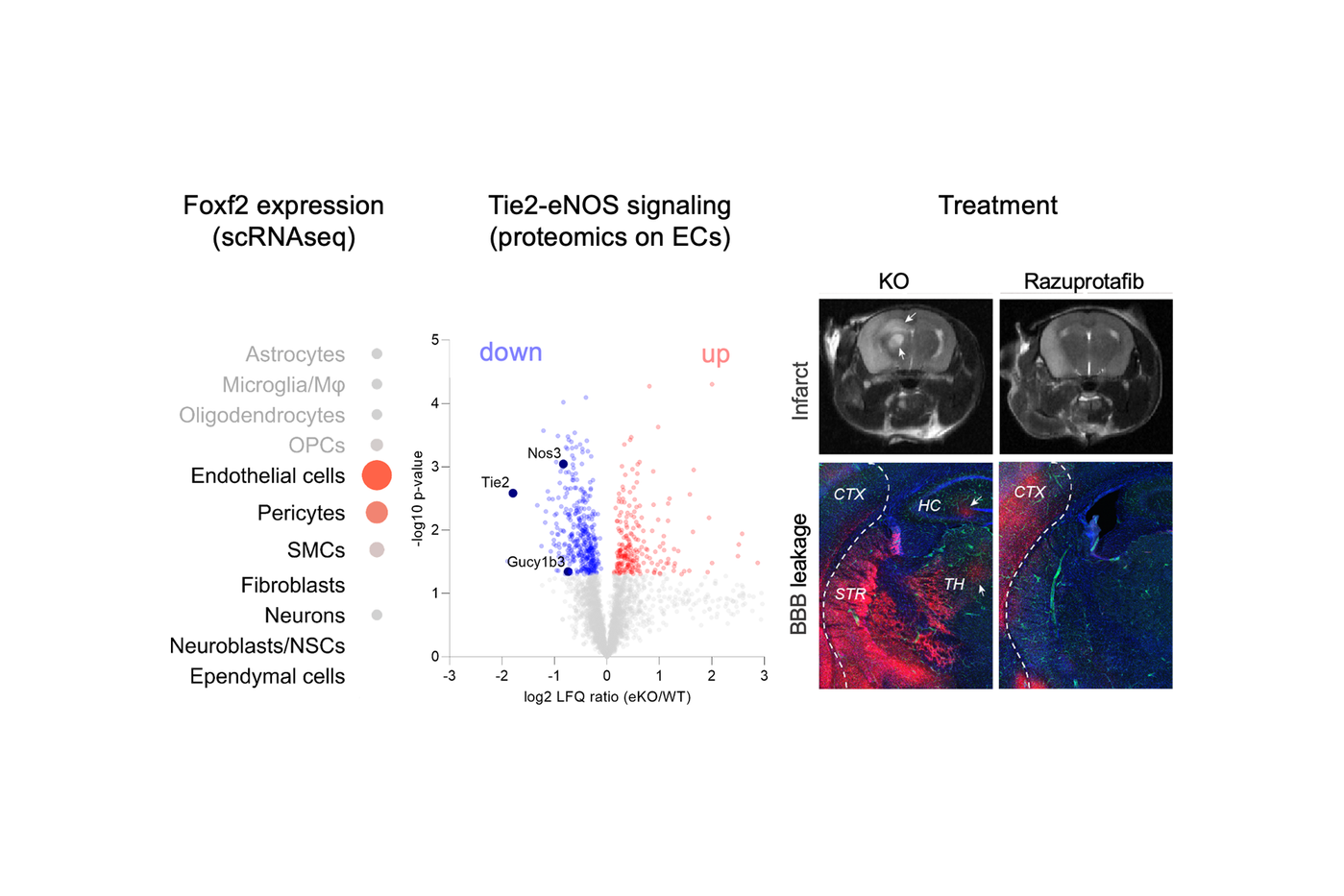
XXX 2025 – Small vessel disease (SVD) is a major cause of stroke, yet its molecular drivers remain elusive. ISD researchers now show that the stroke-risk gene FOXF2 is essential for maintaining healthy brain vessels by sustaining Tie2 signaling in endothelial cells. Loss of FOXF2 disrupted endothelial function, impaired blood–brain barrier integrity, and worsened outcomes after experimental stroke. Activating Tie2 with AKB-9778 rescued these deficits. The findings identify FOXF2–Tie2 signaling as a critical pathway in SVD and highlight a promising therapeutic target.

ERC Consolidator Grant for Arthur Liesz

XXX 2025 – The European Research Council has awarded a prestigious 2-million-euro Consolidator Grant to support TRAINED, a project led by Arthur Liesz that investigates how maladaptive trained immunity drives systemic inflammation and multimorbidity after stroke and myocardial infarction. Combining advanced multi-omics, innovative models and human validation, the project aims to uncover new therapeutic strategies. >> https://erc.europa.eu

News

Register now! October 15-17: 9th ICAA Conference in Munich

10 Jul 2024

ISD is co-organizing the 9th Interational Conference on Cerebral Amyloid Angiopathy located at the Kardinal Wendel Haus next to the English Garden in Munich. Experts in the field will present the…

Innate immune memory after stroke mediates secondary comorbidities. 

22 Jul 2024

ISD researchers hypothesized in a newly published study that the high rate of comorbidities that develop after a stroke could have a common immunological cause. A Myeloid innate immune memory was…

Rational correction of disease-causing mutations in HTRA1

17 Jul 2024

Rare mutations in HTRA1 cause cerebral vasculopathy and stroke. Using in vitro, in silico and in vivo analyses, the Dichgans lab in collaboration with colleagues from Duisburg established…

More News

Research Groups

martin-dichgans-research-group-visual

Dichgans Lab

Translational Research – Martin Dichgans

mif atherosclotic lesion.jpg

Bernhagen Lab

Vascular Biology – Jürgen Bernhagen

Simons Lab

Biology of Glia and Neuro­inflammation – Mikael Simon

Liesz Lab

Stroke-Immunology –  Arthur Liesz

Ewers Lab

Brain Imaging and Biomarker – Michael Ewers

paquet cells

Paquet Lab

Neurodegeneration and Vascular Dysfunction – Dominik Paquet

ISD

Plesnila Lab

Experimental Stroke Research – Nikolaus Plesnila

Erturk Lab

Acute Brain Injury – Ali Erturk

Wahl Lab

Neuronal Repair and Rewiring – Anna-Sophia Wahl 

Düring Lab

Vascular Cognitive Impairment – Marco Düring

Gokce Visual

Gokce Lab

Systems Neuroscience –  Ozgun Gokce

Junior Research Groups

benakis

Benakis Lab

Microbiome-Gut-Brain Axis – Corinne Benakis

Franzmeier Lab

Alzheimer’s Disease Neuroimaging  – Nicolai Franzmeier

Georgakis Lab

Epidemiology and Bioinformatics – Marios Georgakis

Jäkel Lab

Jäkel Lab

Oligodendrocyte Pathology – Sarah Jäkel

Machine learning and data science 

Spitzer Lab

Machine learning and data science – Hannah Spitzer

Tiedt

Tiedt Lab

Molecular Biomarkers – Steffen Tiedt

Research Groups Overview

Diversity at the ISD

ISD’s Diversity Management is interlocked with LMU’s program on Diversity as well as programs installed by the DFG funded Excellence cluster for Systems Neurology (SyNergy) of which the ISD is part, covering a range of aspects including: Gender equality, Diversity management, Being family friendly, Inclusion and participation, Cultural diversity, Healthy university.

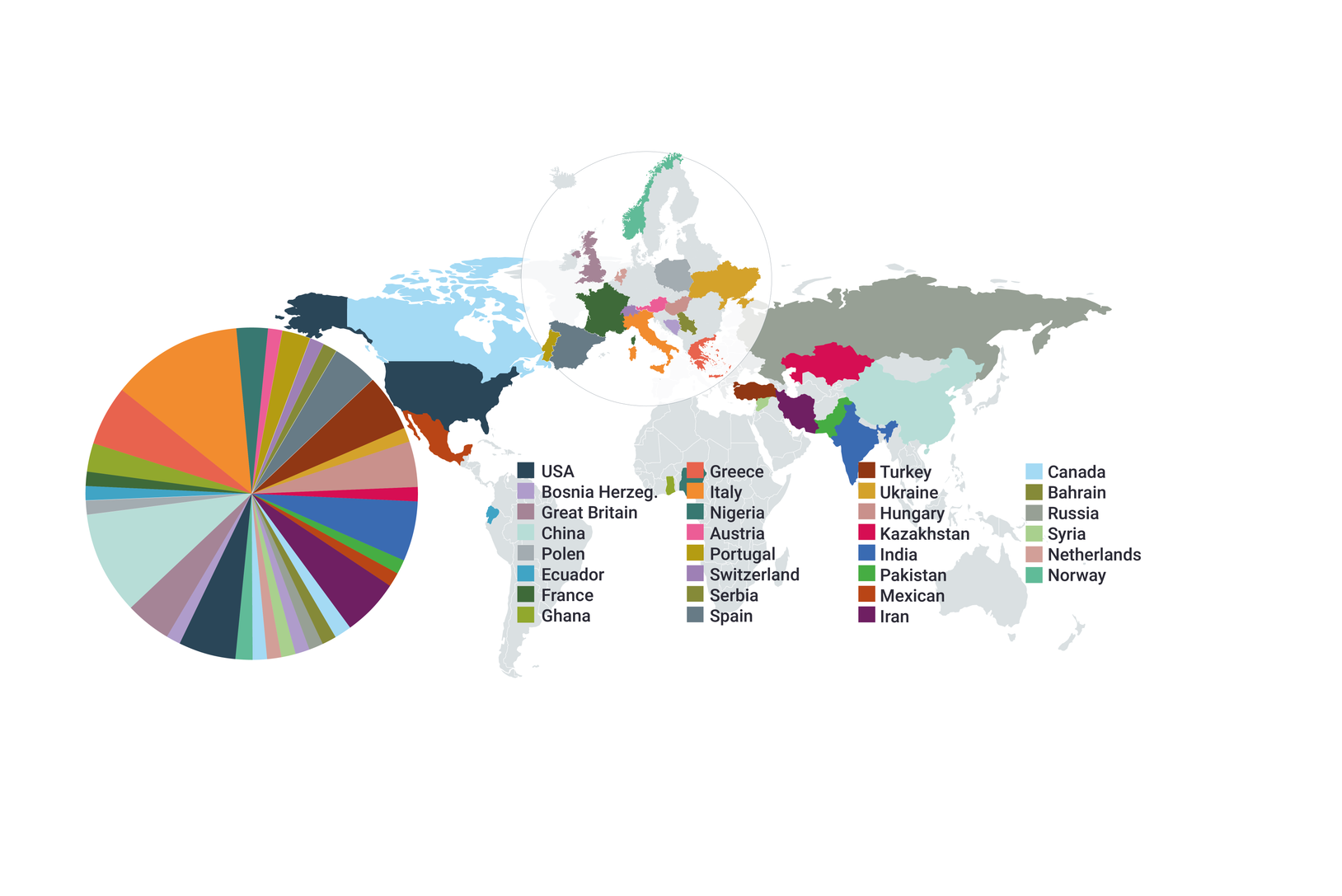
The ISD hosts researchers from 25 countries apart from Germany
Diversity at the ISD

Learn more about Diversity at the ISD ...

Panel 1
Panel 2

Contact

Institute for Stroke and Dementia Research (ISD)
University Hospital, LMU Munich

Director: Prof. Dr. med. Martin Dichgans

Feodor-Lynen-Straße 17
81377 Munich, Germany

Phone: +49 (0)89 4400 46019
www.isd-research.de

Send a Mail

Partners

Neurologische Klinik und Poliklinik der Universität München, LMU Klinikum

DZNE – Deutsches Zentrum für Neurodegenerative Erkrankungen

SyNergy – Munich Cluster for Systems Neurology

Links

  • Our Labs
  • News
  • Publications
  • Open Positions
  • ISD for Patients
  • How to get there
  • Imprint
Editor login
  • Contact
  • Imprint
  • Privacy Policy
2025 © Institute for Stroke and Dementia Research (ISD)